
bitcoin logo

Accepted

Get A Quote!

Call Now! (361) 688-2183

  1. The Real Lifespan of a New Roof on the Texas Coast

    Living along the Texas coastline offers beautiful views, coastal breezes, and vibrant communities like Corpus Christi. But that same coastal environment that makes the area attractive also creates one of the harshest climates in the country for residential roofing systems. Many homeowners are surprised to learn that the lifespan of a roof near the Gulf is often significantly shorter than manufacturer estimates. Understanding why that happens can help you protect your investment and avoid costly surprises.
    Why Coastal Roofs Age Faster

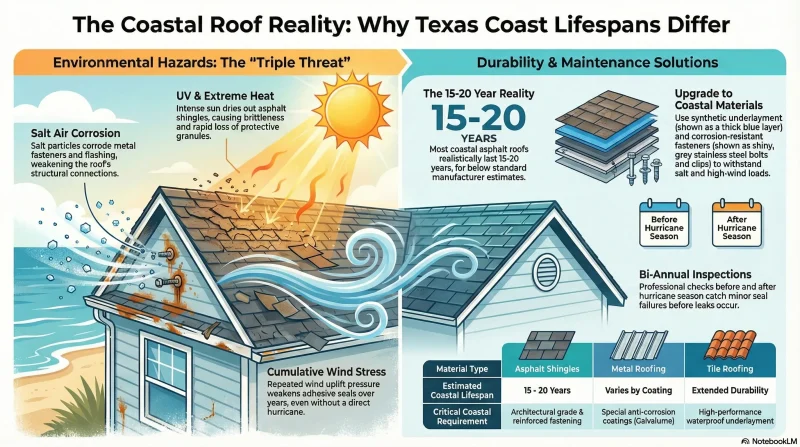
    Roofing materials are typically rated under controlled conditions that do not reflect the realities of coastal Texas weather. Along the Gulf Coast, roofs face constant exposure to intense ultraviolet radiation, high humidity, salt-laden air, heavy rain, and seasonal tropical systems. Over time, this combination accelerates wear in ways that inland homes simply do not experience.

    Salt air is especially damaging. Microscopic salt particles travel inland and settle on roofing components. These particles can corrode metal fasteners, flashing, and ventilation systems, weakening structural connections. The National Oceanic and Atmospheric Administration explains how salt and moisture accelerate corrosion in coastal regions, contributing to premature material breakdown. You can learn more about salt air and corrosion effects through resources from National Oceanic and Atmospheric Administration at https://oceanservice.noaa.gov.

    Heat is another major factor. Texas summers regularly push roof surface temperatures well beyond ambient air temperatures. Prolonged UV exposure dries out asphalt shingles, causing them to become brittle and lose protective granules. Once granule loss begins, shingles deteriorate rapidly, reducing both wind resistance and waterproofing capability.

    Wind and Storm Impact on Longevity

    The Texas Coast sits in a region highly susceptible to tropical storms and hurricanes. Even in years without a direct hurricane strike, strong thunderstorms and seasonal systems generate sustained high winds. These winds create uplift pressure, especially along roof edges and corners. Over time, repeated stress weakens adhesive seals and fastening systems.

    The Insurance Institute for Business and Home Safety provides research on how wind uplift affects roofing systems and why edge detailing is critical in storm-prone regions. Their findings show that repeated moderate wind exposure can gradually reduce a roof’s overall lifespan, even if no major damage is immediately visible. More information about wind-resistant construction can be found through Insurance Institute for Business & Home Safety at https://ibhs.org.

    For coastal homeowners, this means the lifespan of a roof is not just determined by a single hurricane event. It is shaped by years of cumulative wind stress that slowly compromises materials.
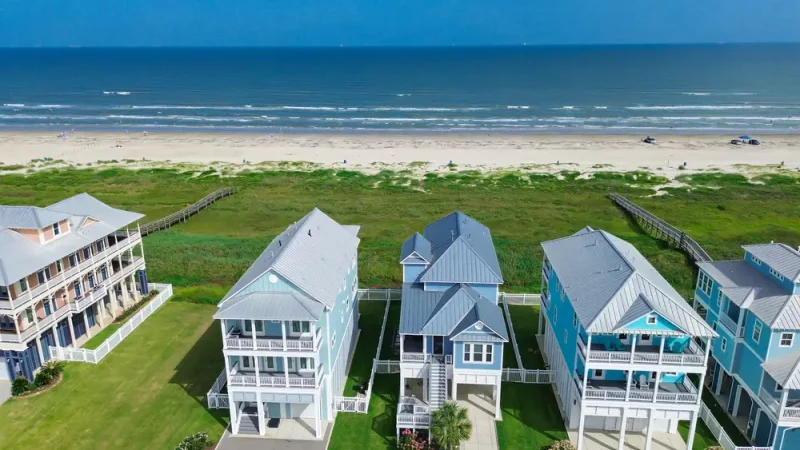
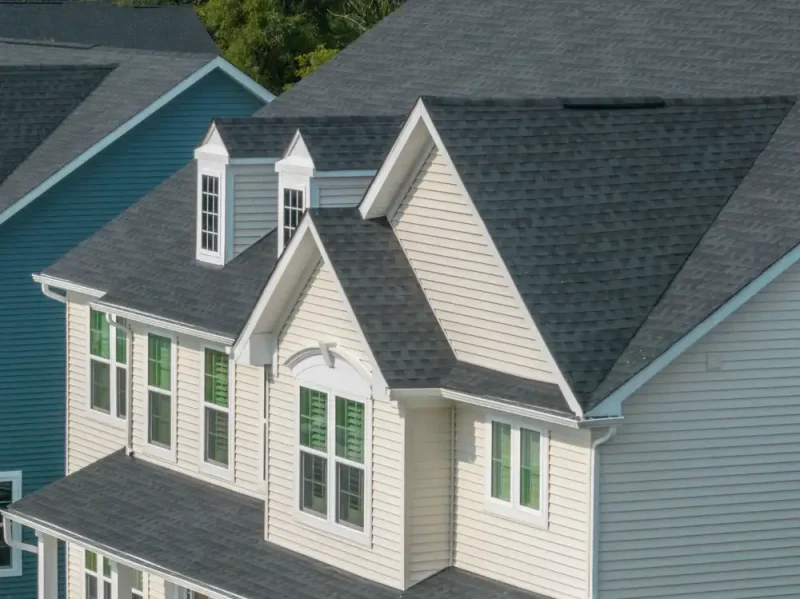
    roofing on the coast

    Average Lifespan by Roofing Material on the Texas Coast

    While manufacturers may advertise longer performance periods, real-world expectations near the coast are often different.

    Asphalt composition shingles, the most common residential roofing material, may be rated for several decades under ideal conditions. On the Texas Coast, many asphalt roofs realistically last between fifteen and twenty years depending on installation quality and maintenance. Architectural shingles tend to perform better than basic three-tab shingles due to their heavier weight and stronger adhesive bonds.

    Metal roofing can offer improved longevity in coastal settings, but only when properly coated and installed with corrosion-resistant fasteners. Galvalume or specially coated aluminum panels generally outperform standard steel in salt-air environments. Without proper protective coatings, corrosion can shorten metal roof life considerably.

    Tile roofing systems may provide extended durability, but underlayment remains a critical vulnerability. In coastal climates, the waterproof underlayment beneath tile often determines when replacement becomes necessary.

    Regardless of material choice, installation quality plays a decisive role. A properly secured deck, corrosion-resistant fasteners, sealed penetrations, and high-performance underlayment can add years to a roof’s service life.

    The Hidden Factors That Shorten Roof Life

    Several often-overlooked factors contribute to premature roof failure along the Texas Coast.

    Poor attic ventilation can trap heat and moisture beneath the roof deck. Excess heat accelerates shingle aging from below, while trapped humidity promotes mold growth and wood rot. Proper ventilation allows airflow that stabilizes attic temperatures and reduces moisture accumulation.

    Inadequate flashing around chimneys, vents, and valleys is another common issue. Coastal rainstorms are often wind-driven, forcing water upward beneath shingles. Weak flashing details allow moisture intrusion that may go unnoticed until interior damage appears.

    Deferred maintenance also plays a role. Minor issues such as lifted shingles or small seal failures can quickly escalate when exposed to coastal winds. Regular inspections help catch these problems before they shorten overall roof lifespan.

    How to Maximize Roof Longevity on the Coast

    While coastal conditions are unavoidable, homeowners can take proactive steps to extend roof performance.

    Professional inspections before and after hurricane season are essential. Early detection of wind damage prevents small vulnerabilities from spreading. Routine maintenance, including sealing exposed fasteners and replacing compromised shingles, preserves structural integrity.

    Choosing high-quality materials designed for high-wind regions also makes a significant difference. Synthetic underlayments offer better tear resistance and moisture protection compared to traditional felt. Corrosion-resistant fasteners help maintain deck attachment strength in salt-air conditions.

    Most importantly, proper installation techniques tailored to coastal building codes are critical. Enhanced fastening patterns and reinforced perimeter detailing help combat wind uplift. In designated coastal zones, compliance with standards required by the Texas Windstorm Insurance Association ensures roofs meet wind-load guidelines necessary for insurance eligibility.
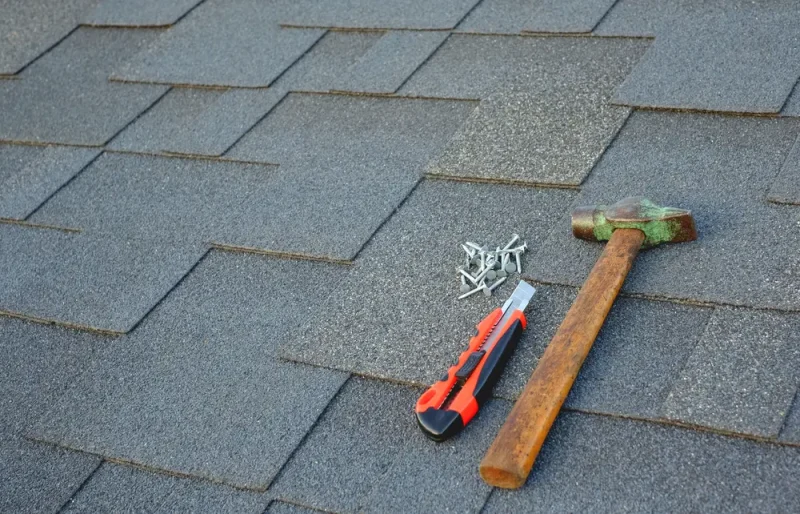
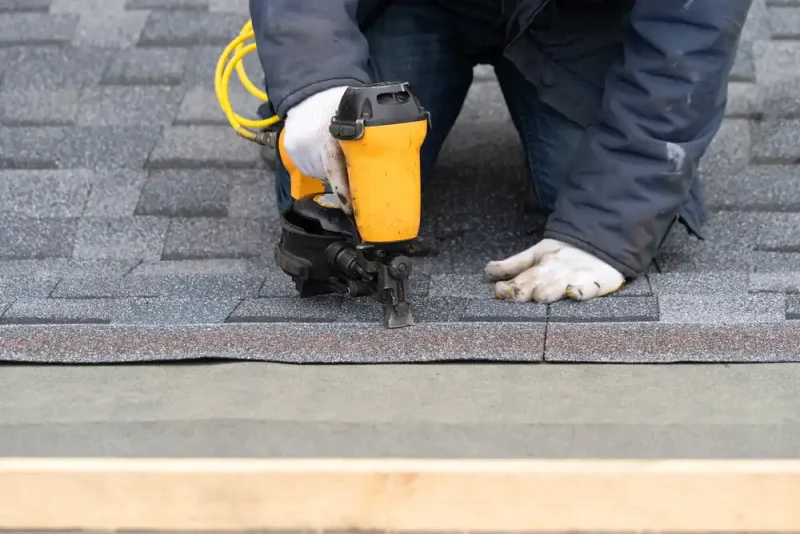
    roofing tools

    Signs Your Coastal Roof Is Nearing the End

    Recognizing aging indicators early can prevent interior damage and costly emergency repairs. Common warning signs include curling or brittle shingles, excessive granule accumulation in gutters, rusting metal components, persistent attic moisture, and visible sagging in roof decking.

    Homeowners in communities like Corpus Christi often assume a roof will last as long as manufacturer marketing suggests. However, coastal exposure requires adjusted expectations. Waiting until active leaks appear typically means structural components have already been compromised.

    Setting Realistic Expectations

    The real lifespan of a roof on the Texas Coast is shaped by environment, materials, installation quality, and maintenance habits. While some roofs may exceed two decades with proper care, many require replacement sooner than inland counterparts. Viewing your roof as a dynamic system rather than a static structure helps set realistic expectations.

    Investing in stronger installation methods, corrosion-resistant components, and proactive inspections pays dividends over time. A roof built and maintained specifically for coastal conditions not only protects your home but also reduces long-term ownership costs.

    Ultimately, coastal living demands coastal solutions. Understanding the true lifespan of your roofing system empowers you to plan ahead, protect your property, and face each storm season with greater confidence.
  2. Mustang Island High Winds and What They Mean for Coastal Roofing

    Living on Mustang Island offers beautiful beaches, coastal breezes, and a relaxed island lifestyle. Communities like Port Aransas and surrounding areas benefit from Gulf views and cooling sea air, but those same winds can pose serious challenges for residential roofing systems. High winds are not just a hurricane-season issue on Mustang Island—they are a year-round factor affecting roof durability, maintenance, and long-term performance (National Weather Service).

    Because Mustang Island is a barrier island with direct exposure to the Gulf of Mexico, wind conditions are often stronger and more consistent than in inland areas. Understanding how those winds impact residential roofs is essential for homeowners who want to protect their property and avoid costly repairs.

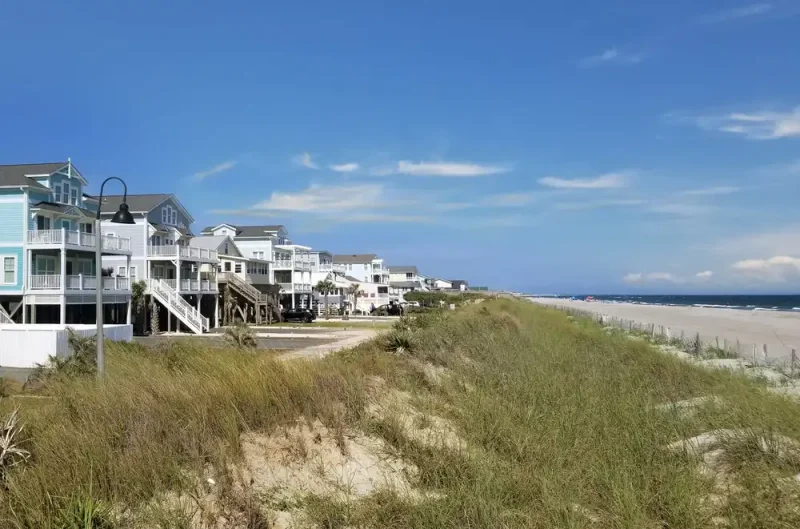
    Port Aransas Beach Houses

    Why Mustang Island Experiences Strong Winds

    Mustang Island’s geography plays a major role in its wind exposure. With open water to the southeast and minimal natural barriers, wind can move across the island with very little resistance. Coastal pressure systems, sea breezes, cold fronts, tropical storms, and hurricanes all contribute to sustained winds and strong gusts throughout the year (NOAA).

    Port Aransas and neighboring communities frequently experience:

    • Higher average wind speeds compared to inland South Texas
    • Strong seasonal winds during spring and early summer
    • Sudden wind gusts associated with thunderstorms
    • Hurricane-force winds during tropical systems

    Historical data shows that Mustang Island has been impacted by hurricane-force winds many times, and local building standards reflect the elevated risk associated with these conditions (Texas General Land Office).

    Why Mustang Island Experiences Strong Winds

    Mustang Island’s geography plays a major role in its wind exposure. With open water to the southeast and minimal natural barriers, wind can move across the island with very little resistance. Coastal pressure systems, sea breezes, cold fronts, tropical storms, and hurricanes all contribute to sustained winds and strong gusts throughout the year (NOAA).

    Port Aransas and neighboring communities frequently experience:

    • Higher average wind speeds compared to inland South Texas
    • Strong seasonal winds during spring and early summer
    • Sudden wind gusts associated with thunderstorms
    • Hurricane-force winds during tropical systems

    Historical data shows that Mustang Island has been impacted by hurricane-force winds many times, and local building standards reflect the elevated risk associated with these conditions (Texas General Land Office).

    Coastal Conditions That Worsen Wind Damage

    On Mustang Island, wind rarely acts alone. Coastal environmental factors compound the effects of high winds and accelerate roof deterioration.

    • Salt air accelerates corrosion on metal components such as fasteners, flashing, and roof connectors. Over time, corroded fasteners lose holding strength, making roofing materials more vulnerable to uplift (NOAA)
    • Humidity and moisture are persistent issues. High humidity can affect roof decking, underlayment, and ventilation systems, while trapped moisture increases the likelihood of rot or mold. Combined with daily temperature swings, materials expand and contract more aggressively, loosening attachments and seals (Texas Department of Insurance)
    • Intense UV exposure degrades roofing materials. Asphalt shingles can become brittle as granules wear away, reducing wind resistance as the roof ages (Insurance Institute for Business & Home Safety)
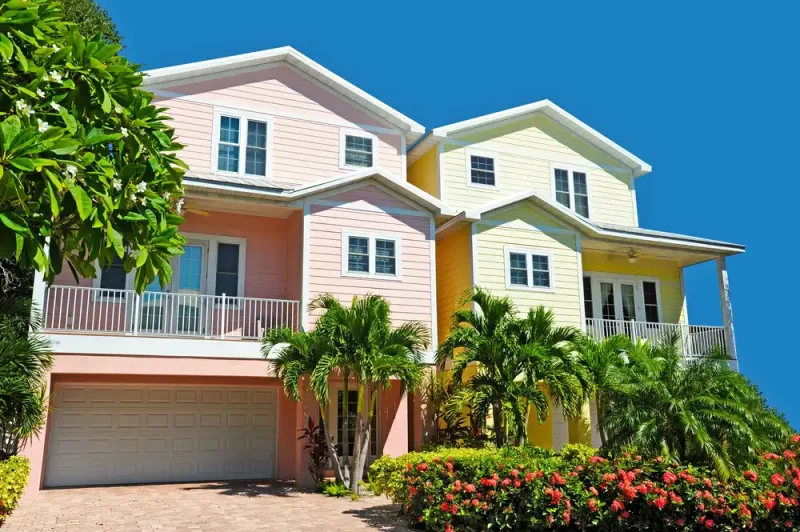
    High Wind Beach House

    Roofing Materials and Wind Resistance on Mustang Island

    Not all roofing materials perform equally in high-wind coastal environments. Material selection plays a major role in how well a roof withstands Mustang Island’s conditions.

    Wind-resistant residential roofing options commonly used in coastal Texas include:

    • High-wind rated asphalt shingles designed for coastal wind zones (Miami-Dade County Product Control)
    • Standing-seam or mechanically fastened metal roofing systems (Roofing Contractor Magazine)
    • Composite or synthetic roofing materials engineered for uplift resistance
    • Tile systems that meet hurricane wind performance standards when properly installed

    Equally important is how the roof is installed. Even the best materials can fail if fastening patterns, underlayment systems, or edge details are not designed for high-wind exposure (ASTM International). Roof shape also matters. Hip roofs generally perform better than gable roofs in high winds because they distribute wind forces more evenly and reduce uplift pressure on large flat surfaces.

    Roofing Materials and Wind Resistance on Mustang Island

    Not all roofing materials perform equally in high-wind coastal environments. Material selection plays a major role in how well a roof withstands Mustang Island’s conditions.

    Wind-resistant residential roofing options commonly used in coastal Texas include:

    • High-wind rated asphalt shingles designed for coastal wind zones (Miami-Dade County Product Control)
    • Standing-seam or mechanically fastened metal roofing systems (Roofing Contractor Magazine)
    • Composite or synthetic roofing materials engineered for uplift resistance
    • Tile systems that meet hurricane wind performance standards when properly installed

    Equally important is how the roof is installed. Even the best materials can fail if fastening patterns, underlayment systems, or edge details are not designed for high-wind exposure (ASTM International). Roof shape also matters. Hip roofs generally perform better than gable roofs in high winds because they distribute wind forces more evenly and reduce uplift pressure on large flat surfaces.

    Maintenance Matters More on the Island

    Regular maintenance is especially important for residential roofs on Mustang Island. Coastal roofs age faster than inland roofs due to constant exposure to wind, salt, and moisture.

    Recommended maintenance practices include:

    • Annual roof inspections, especially before storm season (National Weather Service)
    • Inspections after major wind events, even if damage is not obvious
    • Checking flashing, fasteners, and roof penetrations for corrosion
    • Replacing damaged or lifted materials promptly
    • Ensuring proper attic ventilation to reduce moisture buildup

    Addressing small issues early can prevent larger failures when high winds return.

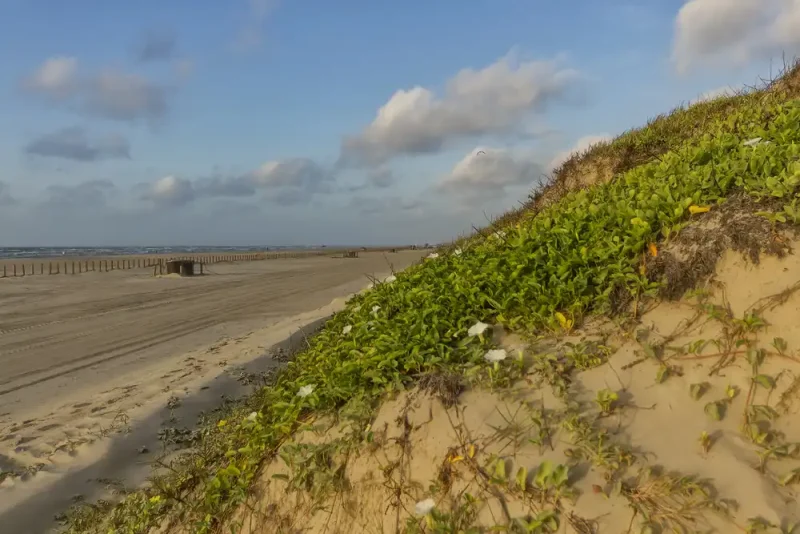
    Port Aransas Sand Dunes

    Why Local Knowledge Makes a Difference

    Roofing on Mustang Island is not the same as roofing inland. Port Aransas and neighboring communities face unique challenges that require specialized knowledge of materials, installation methods, and local codes.

    High winds are a fact of life on the island, but with the right roofing system, proper installation, and consistent maintenance, homeowners can significantly reduce their risk of damage. A roof designed for coastal conditions is not just a protective barrier; it is an investment in long-term durability and peace of mind (IBHS).

    Call An Expert At Texas Coast Roofing Today

    Mustang Island’s winds shape both the landscape and the way homes must be built and maintained. From everyday coastal breezes to hurricane-force gusts, wind places constant stress on residential roofing systems in Port Aransas and across the island. When combined with salt air, humidity, and sun exposure, those winds demand roofing solutions designed specifically for coastal environments.

    Choosing wind-rated materials, following coastal building standards, and staying proactive with maintenance are essential steps for protecting homes on Mustang Island. In a place where wind is always part of the equation, a resilient roof makes all the difference.


  3. Why Proper Roof Ventilation Matters for Texas Homes

    Roof ventilation is one of the most important yet often overlooked aspects of maintaining a healthy, energy-efficient home—especially in a state like Texas. With sweltering summers, high humidity, and intense sun exposure, Texas homes need a roof ventilation system that can withstand extreme conditions. Proper ventilation not only protects the integrity of your roof but also improves indoor comfort, reduces energy costs, and extends the lifespan of your roofing materials. Understanding why roof ventilation matters and how it benefits your home can help you make informed decisions about maintenance, repairs, and upgrades.

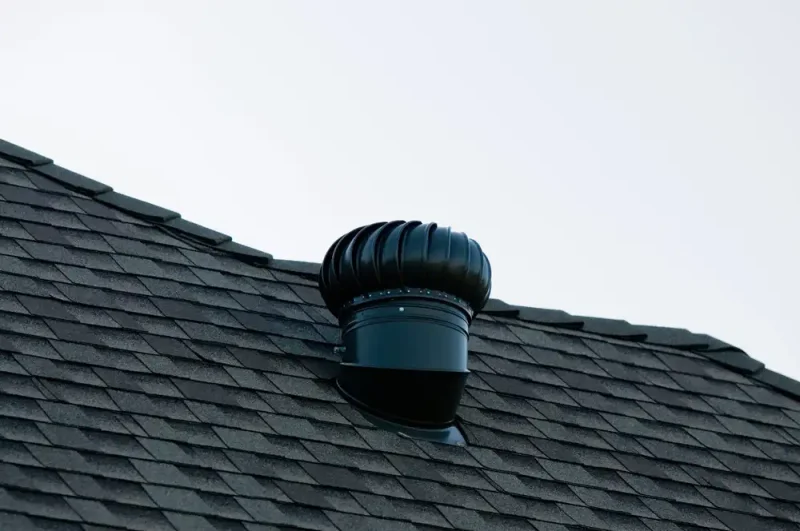
    whirly bird roof vent black

    The Role of Roof Ventilation in Texas Climate Conditions

    Texas is known for its year-round heat, frequent temperature swings, and long seasons of high humidity. Without proper ventilation, hot air becomes trapped inside the attic, pushing temperatures well above 120 degrees. This trapped heat radiates downward into living spaces, causing air conditioners to work harder and increasing energy bills. Ventilation allows hot, humid air to escape while pulling in cooler, drier air from outside, creating airflow that stabilizes attic temperatures. In a state where summer heat is relentless, roof ventilation plays a crucial role in keeping homes safe, comfortable, and efficient.

    Preventing Heat Damage to Roofing Materials

    The intense Texas sun can take a major toll on roofing materials, especially shingles. When heat accumulates in the attic and cannot escape, it accelerates the deterioration of shingles, underlayment, and roof decking. Asphalt shingles in particular are prone to blistering, cracking, and premature aging when exposed to extreme attic temperatures. Proper ventilation reduces the buildup of heat, helping shingles last longer and perform better. By minimizing thermal stress, ventilation protects your roof from unnecessary wear and delays the need for costly repairs or a full roof replacement.

    Protecting Against Moisture and Humidity

    Humidity is a year-round concern for many Texas homeowners, especially those in coastal or humid regions. Without adequate ventilation, moisture from kitchens, bathrooms, and laundry rooms can accumulate in the attic. Over time, trapped moisture leads to mold growth, wood rot, and deterioration of insulation. This moisture-related damage can compromise the structural integrity of your home and create unhealthy indoor air quality. By promoting consistent airflow, proper ventilation allows moisture to escape, reducing the risk of mold, mildew, and rot that can cause thousands of dollars in damage if left untreated.

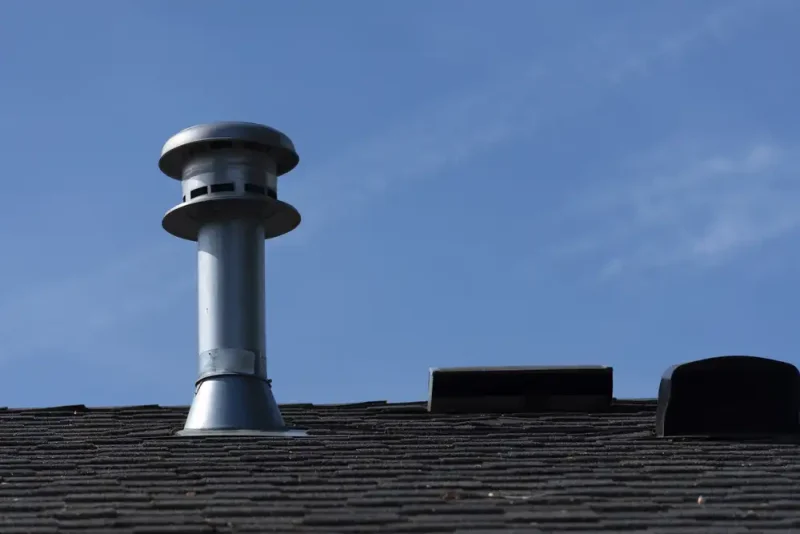
    tall roof venting

    Improving Energy Efficiency and Lowering Cooling Costs

    Texas homeowners know how expensive cooling costs can be during peak summer months. Air conditioning systems work overtime when attics become overheated, causing energy bills to skyrocket. Proper roof ventilation lowers attic temperatures, reducing the workload on your HVAC system. This leads to more efficient cooling, longer system lifespan, and noticeably lower energy bills. By keeping heat from accumulating in the attic, ventilation helps maintain a comfortable indoor temperature and reduces reliance on air conditioning, which is especially important during heatwaves and high-demand periods.

    Extending the Lifespan of Your Roofing System

    A well-ventilated roof is a long-lasting roof. Excess heat and moisture accelerate the breakdown of roofing materials, causing premature aging and reducing overall durability. Proper ventilation equalizes temperatures across the roofing system, preventing damage from thermal expansion and contraction. It also protects the roof decking from warping and moisture absorption. Whether you have asphalt shingles, metal roofing, tile, or another material, proper airflow helps your roof stay strong and functional for many years. Investing in good ventilation is one of the simplest ways to protect your roofing investment and extend its service life.

    Reducing Ice Dams

    Although Texas is known for its heat, homeowners occasionally deal with winter weather and freezing temperatures. During cold spells, poor ventilation can contribute to the formation of ice dams—ridges of ice that form along the roof edge due to uneven heat distribution. Ice dams prevent melting snow from draining properly, causing water to back up under shingles and into the attic. Even though ice dams are less common in Texas than in colder states, proper ventilation helps regulate attic temperatures, minimizing the risk of winter-related roofing issues.

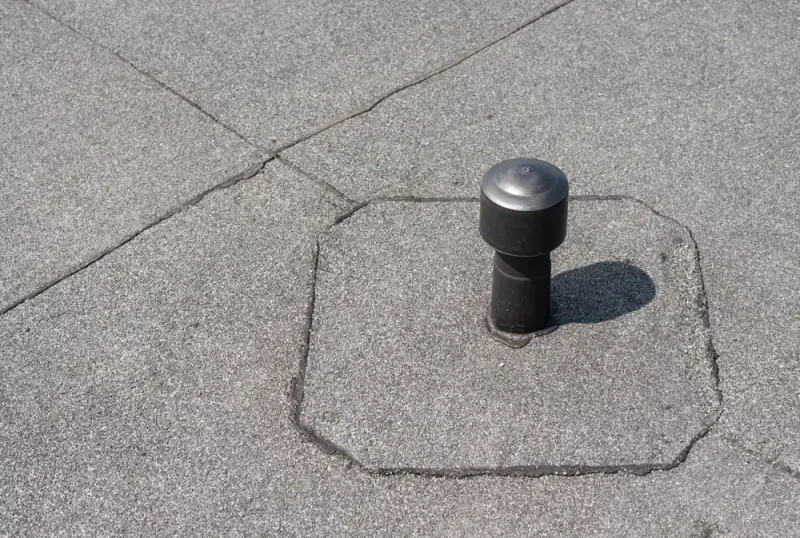
    flat roof vent

    The Connection Between Insulation and Ventilation

    While insulation and ventilation serve different purposes, they work together to regulate home temperatures. Insulation keeps hot or cold air from transferring into the living space, while ventilation ensures the attic stays at a stable temperature. Without ventilation, insulation can absorb moisture and lose effectiveness, leading to higher energy bills and potential mold growth. Proper insulation combined with balanced ventilation maximizes energy efficiency and roof performance, ensuring your home stays comfortable regardless of the season.

    Types of Roof Ventilation Systems for Texas Homes

    There are several types of roof ventilation systems suitable for Texas homes, each offering unique benefits. Ridge vents are one of the most popular options because they run along the peak of the roof and provide consistent airflow. Soffit vents work alongside ridge vents by allowing cooler air to enter from the eaves. Turbine vents and solar-powered attic fans are also common solutions, especially for homes with limited natural airflow. Choosing the right ventilation system depends on roof design, climate conditions, and overall attic space. Working with a professional roofer ensures proper placement, sizing, and installation to achieve optimal performance.

    The Importance of Professional Installation

    Even the best ventilation system will fail to perform if installed incorrectly. Proper installation requires careful planning to ensure a balanced airflow that aligns intake vents (soffit vents) with exhaust vents (ridge or roof vents). Too many exhaust vents can create negative pressure, while too few can lead to trapped heat and moisture. A qualified roofing professional understands how to protect your attic, roofing materials, and energy efficiency through correct installation. For Texas homeowners, choosing a local roofer familiar with regional climate challenges ensures the ventilation system is built to withstand harsh weather conditions.

    When to Consider Upgrading Your Ventilation

    If your home feels unusually hot, your energy bills are rising, or you’ve noticed signs of moisture or mold in the attic, it may be time to evaluate your ventilation system. Many older Texas homes were built with minimal ventilation, and upgrading can significantly improve roof performance and indoor comfort. A professional roofing inspection can determine whether your current ventilation meets modern standards and whether adjustments or upgrades could extend the lifespan of your roof.

    Give Us A Call If You Think You Might Have An Issue

    Proper roof ventilation is essential for maintaining a strong, durable, and energy-efficient home in Texas. From reducing heat and humidity to protecting roofing materials and lowering cooling bills, ventilation plays a key role in the overall health of your roofing system. In a climate as demanding as Texas, investing in proper ventilation helps prevent damage, improves indoor comfort, and extends the lifespan of your roof. Whether you’re replacing a roof, upgrading your attic system, or simply ensuring your home is protected, a well-designed ventilation strategy is one of the smartest decisions you can make for long-term performance and peace of mind. If you want to assess your home’s ventilation or explore options for improvement, a professional Texas roofing contractor can help create a system tailored to your home and climate needs.


  4. How Often Should You Replace Your Roof in a Coastal Climate Like Corpus Christi, TX

    Living in a coastal city like Corpus Christi means enjoying ocean views, warm breezes, and beautiful Gulf weather. But those same weather patterns that make the Texas Coast so appealing also create some of the harshest conditions for residential and commercial roofs. Salt air, humidity, strong UV exposure, tropical storms, high winds, and heavy rains can shorten the life of even the highest-quality roofing materials. Understanding how often you should replace your roof in a coastal climate is essential for protecting your home, preventing water damage, and maintaining long-term property value.

    new roof near ocean

    The Impact of Coastal Weather on Roof Lifespan

    Roofs in coastal cities experience more wear and tear than roofs in inland areas. Salt in the air accelerates corrosion, humidity encourages mold and rot, and high temperatures weaken roofing materials over time. Add in the frequent high winds and occasional hurricanes, and it becomes clear why Corpus Christi roofs age more quickly. While inland roofs might last 20 to 30 years, coastal roofs often need replacing sooner simply due to the environmental stress they face every day. If renovations, repairs, or maintenance aren’t done regularly, the lifespan can decrease even further.

    Typical Roof Lifespans in Corpus Christi

    The average roof lifespan depends heavily on the type of material installed. Asphalt shingles, the most common roofing material, typically last 15 to 20 years in ideal conditions. On the Texas Coast, however, the same roof may only last 12 to 15 years because salt and heat wear down the shingles faster. Metal roofing, which is popular in coastal areas due to its strength, can last 40 to 60 years with proper maintenance, but corrosion can shorten that if protective coatings aren’t maintained. Tile roofs perform well in humid climates and may last 40 to 50 years, though high winds can damage tiles or cause them to crack. Even high-end roofing systems experience reduced lifespans near the ocean compared to inland regions.

    Key Signs Your Roof Needs Replacement

    Knowing how often roofs last is helpful, but recognizing the signs of a failing roof is even more important. Corpus Christi homeowners should watch for curling or missing shingles, rusted flashing, granule loss on asphalt shingles, roof sagging, or dark stains that indicate moisture intrusion. Water spots on ceilings, mold growth inside the home, and musty odors can also signal hidden roof damage. Because coastal storms are powerful and unpredictable, even minor roofing issues can escalate quickly. Addressing early signs of deterioration can prevent larger, more expensive repairs and help you determine whether a replacement is necessary sooner than expected.

    new roof installation

    How Storm Damage Affects Roof Replacement Timelines

    Storm seasons along the Texas Coast can significantly impact how often you should replace your roof. High winds can tear off shingles, loosen panels, or damage flashing, while hail can crack tiles or dent metal roofing. Even if a storm doesn’t appear to cause major damage, the stress can weaken roofing materials and reduce their overall lifespan. Corpus Christi homeowners often need roof inspections after tropical storms or hurricanes to ensure no hidden damage remains. In many cases, storm-related damage may justify a full roof replacement, and homeowners insurance may help cover the cost.

    Why Regular Roof Inspections Are Essential

    One of the best ways to maximize the life of your roof in a coastal environment is through routine inspections. Professional roofers recommend at least two inspections per year in coastal climates—typically once in the spring and once after hurricane season. Inspections help identify small problems before they turn into costly issues and provide an accurate timeline for when a replacement may be necessary. In a location like Corpus Christi, where weather conditions change rapidly, ongoing inspections are one of the most effective ways to extend your roof’s lifespan.

    Roofing Materials That Perform Best on the Texas Coast

    Selecting the right roofing material plays a major role in how often you’ll need to replace your roof. Metal roofs are widely considered one of the best choices for coastal climates because they withstand high winds, resist salt corrosion when properly coated, and are incredibly durable. Architectural asphalt shingles are also a good option if you prefer a traditional look and are interested in impact-resistant varieties designed for coastal storms. Clay or concrete tiles offer excellent longevity and hurricane resistance, but they require strong roof decking and structure to support their weight. Each material has benefits, and understanding their specific durability in Corpus Christi’s climate helps you make informed replacement decisions.

    The Importance of Proper Installation

    Even the highest-quality materials won’t perform well without proper installation. Coastal climates demand precision installation techniques to protect homes from wind uplift, moisture penetration, and long-term corrosion. Using the right fasteners, underlayment, sealants, and ventilation systems is essential. A poorly installed roof can fail within just a few years in a coastal environment. Choosing an experienced roofing contractor familiar with Corpus Christi’s building codes and coastal challenges ensures your new roof will reach its maximum possible lifespan.

    new roof on suburban home

    How Maintenance Extends Roof Life

    Regular roof maintenance is one of the simplest and most effective ways to extend the lifespan of your roof. This includes cleaning gutters, removing debris after storms, trimming nearby trees, and addressing any minor repairs promptly. In coastal climates, maintenance also means watching for early signs of corrosion or mold growth and ensuring that protective coatings on metal roofs remain intact. Consistent maintenance performed by a trained roofing professional helps prevent premature deterioration and delays the need for a full replacement.

    When It’s Time to Replace Your Roof

    Most Corpus Christi homeowners can expect to replace their roof every 12 to 20 years depending on the material, upkeep, and storm exposure. If you notice persistent leaks, significant shingle loss, severe granule erosion, interior water damage, or widespread aging, it’s likely time to consider a replacement. A professional roofing assessment can help determine whether repairs will suffice or if a full replacement is necessary to protect your home. Waiting too long can result in structural damage, mold growth, and increased costs down the line.

    Call Today To Schedule A Free Estimate

    In a coastal climate like Corpus Christi, roofs simply don’t last as long as they do inland. Salt air, humidity, high winds, and frequent storms accelerate wear and tear, making routine inspections, proper maintenance, and timely replacements essential for protecting your home. While the lifespan depends on material and care, most coastal roofs require replacement sooner than the national average. Working with a trusted local roofing professional ensures your roof is properly installed, maintained, and replaced at the right time, keeping your home safe, dry, and protected from the unique challenges of coastal living. If you want help determining whether your roof is nearing the end of its lifespan, a professional inspection from Texas Coast Roofing is the best place to start.


  5. 5 Maintenance Tips to Make Your New Roof Last Longer

    Your roof is one of the most important parts of your home—and one of the biggest investments. Along the Texas Coast, where salty air, strong sun, and powerful storms are part of life, your roof takes on more punishment than most. Regular maintenance isn’t just about keeping things looking nice—it’s about preventing expensive repairs, improving energy efficiency, and extending the lifespan of your roof by years. At Texas Coast Roofing, we’ve repaired and replaced hundreds of roofs from Galveston to Corpus Christi. We know exactly what coastal roofs go through and how to protect them. Below are key maintenance practices every Texas homeowner should follow to keep their roof strong and secure.

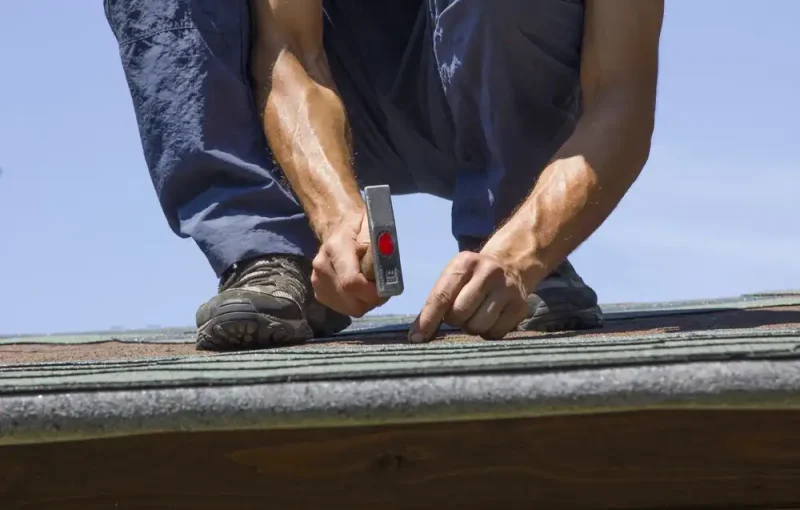
    small roof repair

    Schedule Regular Roof Inspections

    The single most effective way to protect your roof is to have it inspected regularly by a professional. Even if it looks fine from the ground, hidden damage can cause leaks, mold, and long-term structural issues. Along the Gulf Coast, it’s smart to schedule inspections at least twice a year—once before hurricane season in late spring and again afterward in early winter. After any major wind or hail event, call for a storm damage check as well. A professional roofing inspection looks for missing or loose shingles, water penetration, rusted flashing, debris buildup, and signs of UV damage or cracked sealant. Identifying small issues early prevents them from becoming expensive emergencies later on.

    Keep Gutters and Downspouts Clean

    Clogged gutters are one of the most common and preventable causes of roof damage. When gutters fill with leaves, pine needles, or salt debris, water backs up instead of draining away. That overflow can seep under shingles or run down siding, leading to rot, mold, or even foundation issues. Coastal homeowners should clean their gutters at least three times a year—in spring, late summer, and after hurricane season. Check that downspouts direct water several feet away from the home’s foundation, inspect seams for rust, and tighten loose brackets. Installing gutter guards can help minimize maintenance while ensuring water continues to flow freely away from your roof.

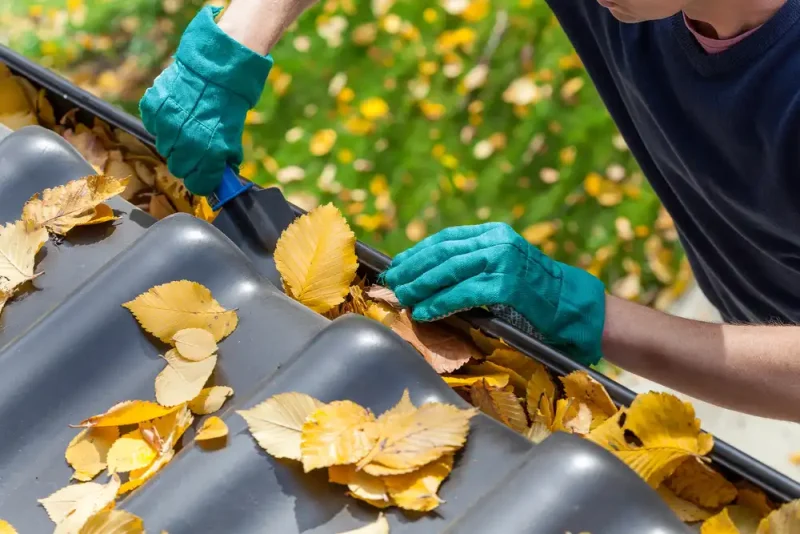
    gutter cleaning

    Trim Overhanging Trees and Remove Debris

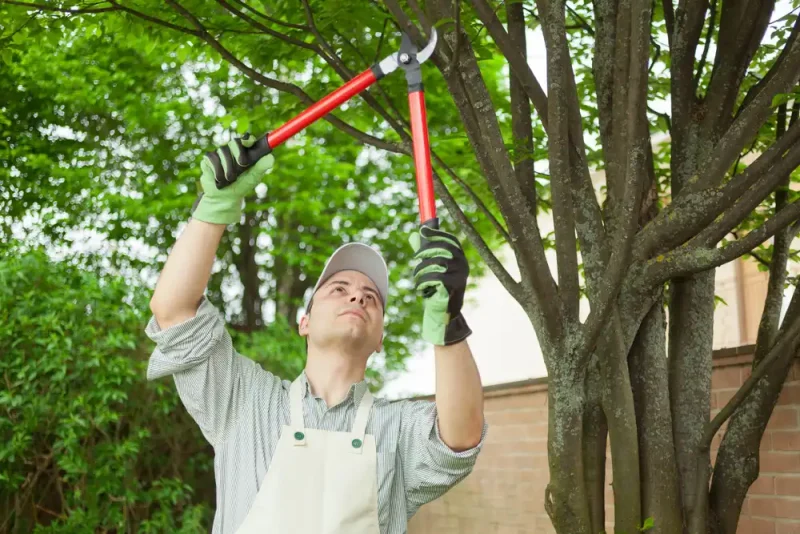
    Trees offer shade and beauty, but they can also create real problems for your roof. Overhanging branches scrape shingles, knock off granules, and pose a serious threat during storms when high winds break limbs. Keep branches trimmed well away from the roof and clear fallen debris after storms, including palm fronds and leaves that trap moisture. Trimming trees also discourages squirrels and other critters from accessing your roof or attic—a surprisingly common problem along the Texas Coast. A clear, debris-free roof surface allows proper water flow and prevents unnecessary wear.

    trimming trees

    Watch for Early Signs of Roof Damage

    Homeowners can often spot potential roof issues before they become serious. You don’t need to climb on the roof—a quick visual inspection from the ground can reveal a lot. Look for discolored patches or dark streaks that may signal algae or moisture buildup, curled or missing shingles caused by heat exposure, rusty flashing, or sagging areas that indicate trapped water. Inside the attic, check for water stains, damp insulation, or daylight showing through the decking. Early detection allows for simple, affordable fixes rather than full-scale replacements. If something looks off, schedule a professional inspection right away.

    Invest in Protective Roof Coatings

    Because of the harsh coastal conditions—UV exposure, humidity, and salt in the air—protective roof coatings can significantly extend your roof’s life. A professional coating adds a reflective barrier that minimizes UV damage, lowers energy costs, and prevents premature wear. Metal roofs benefit from coatings that stop corrosion and rust, while flat or low-slope roofs use coatings to seal seams and prevent pooling water. Other protective measures include algae-resistant shingles, UV-reflective paint for metal roofs, and resealing vents and flashing every few years. These treatments are cost-effective, long-lasting, and ideal for coastal climates.

    Partner with a Trusted Local Roofing Company

    Roof maintenance is much easier when you have a dependable local expert on your side. Texas Coast Roofing specializes in protecting Gulf Coast homes from the unique challenges of coastal weather. Whether you need a seasonal inspection, preventative maintenance, or a small repair, our team understands which materials perform best in salty air, how to prepare for hurricane season, and what local insurers expect for storm-related claims. Partnering with a local roofing company gives you the peace of mind that your roof is being cared for by people who know your region and your home’s needs.

    Keep Your Roof Strong Year-Round

    Your roof protects your family, your belongings, and your home’s value. With the right maintenance routine, you can avoid expensive repairs and add years of life to your roof. Schedule regular inspections, keep gutters clear, trim trees, look for early warning signs, and consider protective coatings to safeguard your home from the coastal elements. If it’s been more than six months since your last inspection, now’s the perfect time to schedule one. Contact Texas Coast Roofing today for a free roof assessment and let us help you protect your biggest investment—starting from the top.


  6. Shingle vs. Metal Roofing: What Works Better by the Water?

    Living near the water in Texas comes with its own perks—ocean breezes, beautiful views, and salty air. But if you own a home or business along the Gulf Coast, you know that coastal life also brings strong winds, humidity, hurricanes, and salty conditions that can put your roof to the test. One of the most common questions homeowners ask us at Texas Coast Roofing is this: “What’s better for my home—shingles or metal roofing?” The answer depends on your goals, budget, and how much abuse your roof is expected to take from the coastal environment. Let’s dive into the key differences and help you decide which option works best for your coastal property.

    🧱 The Basics: What Are Shingle and Metal Roofs?

    Asphalt shingles are the most common roofing material in the U.S. They’re made of a fiberglass mat coated with asphalt and mineral granules. Shingles are available in a variety of styles, from basic 3-tab to heavier architectural options that offer better wind and water resistance.

    Metal roofing can include several types—standing seam panels, corrugated sheets, and metal shingles—usually made from steel or aluminum. These materials are coated to resist corrosion and designed to interlock for improved wind protection.

    Both roofing systems are popular in Texas, but when you live on the coast, the stakes are higher. Let’s look at how they compare when faced with coastal challenges.

    🌪️ Wind Resistance

    The Gulf Coast is no stranger to tropical storms and hurricanes. That means your roof needs to be able to handle sustained winds and flying debris. In this category, metal roofing takes the lead.

    Most metal roofing systems are rated to withstand 120 to 160 mph winds, depending on the installation method and panel type. Because the panels interlock and are securely fastened, there are fewer weak points for wind to lift.

    High-quality asphalt shingles can also be wind-resistant, especially architectural or designer shingles rated for 110–130 mph winds. But shingles are more susceptible to being lifted, curled, or torn off over time—especially if they’re aging or poorly installed.

    👉 Verdict: Metal roofing wins for superior wind resistance, especially in hurricane-prone zones.

    🌊 Moisture & Salt Air Tolerance

    Coastal environments are naturally humid, and that salty air can be brutal on your home’s exterior. Salt accelerates corrosion, which can eat away at roof fasteners, flashings, and even the roofing material itself.

    Metal roofing is highly resistant to salt—if you choose the right type. Aluminum performs exceptionally well in salt-rich air because it doesn’t rust. Galvanized steel roofs can also last, but they need a high-quality coating (like Galvalume) and regular maintenance to prevent rusting.

    Shingles, on the other hand, absorb moisture over time, especially if they lose their protective granule layer. While they don’t rust, they can develop algae, mold, and rot—particularly if water becomes trapped underneath.

    👉 Verdict: Metal (especially aluminum) performs better in salty, moist environments.

    🔥 Longevity and Lifespan

    One of the biggest differences between shingles and metal roofs is how long they last.

    • Asphalt shingles: 15–30 years (depending on product and climate)
    • Metal roofing: 40–70+ years (especially with regular care)

    Shingles have a shorter lifespan in coastal regions due to UV exposure, humidity, and frequent storms. The granules on shingles break down over time, exposing the asphalt base to the elements.

    Metal roofs age slower and are more resistant to UV damage, mildew, and cracking. Many metal roofs outlast two or three rounds of shingle replacements.

    👉 Verdict: Metal roofing is the clear winner for long-term value and durability.

    💸 Cost Comparison

    Let’s talk numbers.

    • Shingle roofing is more budget-friendly upfront. It costs less in materials and labor and is faster to install.
    • Metal roofing has a higher upfront price tag—sometimes 2 to 3 times more than shingles—but offers longer life and better performance.

    If you plan to live in your home long-term, metal roofing may save you money over time by avoiding future replacements and minimizing storm damage. But if you’re looking for a quick, affordable solution (or planning to sell soon), shingles might be more practical.

    👉 Verdict: Shingles win on upfront cost, but metal wins on long-term value.

    🧰 Maintenance and Repairs

    All roofs require some upkeep, but shingles generally need more frequent maintenance. You’ll need to check for missing shingles, granule loss, leaks, and algae growth—especially after storms.

    Metal roofing, especially standing seam systems, is low-maintenance. It doesn’t rot, attract pests, or develop moss. Still, you should check for loose fasteners, corrosion on flashings, and ensure sealants around penetrations remain intact.

    👉 Verdict: Metal roofing requires less frequent maintenance, saving you time and effort.

    🌅 Aesthetic and Style Options

    Modern roofing isn’t just about performance—it’s about curb appeal, too.

    Shingles offer a traditional, textured look that works well with most home styles. They come in a wide range of colors and styles, including those that mimic slate or wood.

    Metal roofing has come a long way in the style department. With options like standing seam, ribbed panels, and metal shingles that mimic tile or shake, metal can give your home a sleek, modern look—or a rustic coastal charm. Metal also reflects sunlight, which can help reduce cooling costs in the Texas heat.

    👉 Verdict: Tie—both have great style options depending on your taste.

    🧾 Insurance and Windstorm Certification

    In many areas along the Texas coast, your roof must meet TDI (Texas Department of Insurance) requirements to qualify for windstorm insurance. Both shingle and metal roofs can meet these standards—but installation matters.

    A shingle roof must be installed to code, with proper nailing patterns and materials approved for high-wind areas. A metal roof must use the right gauge, fastening system, and finish to be certified.

    👉 **Verdict: Both can qualify for windstorm insurance if properly installed—**so choose a roofing company with coastal experience.

    ✅ So… Which Roofing Option Is Best by the Water?

    It really depends on your priorities. Here’s a quick recap:

    FactorBest Choice
    Wind ResistanceMetal
    Salt Air DurabilityMetal (Aluminum)
    LongevityMetal
    Upfront CostShingles
    MaintenanceMetal
    AestheticsTie
    Insurance ComplianceBoth (if done right)

    If you want long-lasting performance, better storm protection, and don’t mind the higher investment, metal roofing is the best choice for coastal homes and businesses. But if you need a solid, affordable option with classic curb appeal, **shingles can still work—**as long as they’re high-quality and installed correctly.


    At Texas Coast Roofing, we install both asphalt shingles and coastal-grade metal roofing systems that meet or exceed TDI standards. Whether you’re looking to upgrade, repair, or just plan ahead for hurricane season, our team is here to help you make the right decision for your roof—and your home.

    📞 Have questions about which roof is right for your coastal property? Contact Texas Coast Roofing for a free consultation today!


  7. It’s Windstorm Time: What Makes a Roof Stand Up to the Storm and Why You Need Certification

    🌪️🏠 The Texas Coast and Why Your Roof Matters

    If you live anywhere along the Texas Gulf Coast—whether it’s Corpus Christi, Port Aransas, Rockport, or anywhere in the Coastal Bend—then you already know this time of year isn’t just about sunshine and surf. It’s windstorm season, and that means your roof is about to face some of the harshest weather conditions Texas has to offer. From tropical storms to full-blown hurricanes, the wind and rain that come through our coastal towns can tear apart anything that isn’t properly secured, and your roof is the first line of defense.

    This is the season when being proactive can save you thousands of dollars in damages—or even your entire roofing system. At Texas Coast Roofing, we specialize in building and maintaining roofs designed for the coastal climate, and we want to help you understand exactly what it takes to make your roof storm-ready.

    hurricane warning

    💨 What Wind Does to Coastal Roofs

    When high winds hit, they don’t just blow over your home—they hit edges, corners, and weak spots with intense pressure. Wind can lift shingles, break seals, rip off flashing, and in worst-case scenarios, pull entire roof sections away from the structure. Once that outer layer is compromised, rainwater can pour into your attic, damage insulation and drywall, and create a breeding ground for mold.

    On the Texas coast, where winds often exceed 100 mph during storms, your roof has to be more than average. It needs to be built to resist uplift, shear force, and debris impact—because when a storm hits, there’s no time to hope for the best.

    🧱 What Makes a Windstorm-Ready Roof?

    1. High-Performance Roofing Materials

    Not all shingles are created equal. If you’re living along the coast, you need materials specifically rated for high wind zones. Architectural shingles and storm-rated metal panels are both excellent choices. Look for materials with 130+ mph wind resistance ratings and those approved by the Texas Department of Insurance (TDI) for use in coastal areas.

    At Texas Coast Roofing, we only install materials that meet or exceed local building codes and insurance requirements. We offer options like impact-resistant shingles, coastal-grade metal roofing, and advanced waterproof underlayment that adds an extra layer of protection.

    2. Proper Fastening Systems

    A wind-resistant roof doesn’t just depend on strong shingles—it depends on how they’re fastened. Nails must be properly sized, spaced, and driven flush (not overdriven or angled). Underlayment must be anchored securely, and flashing must be sealed tight.

    Many storm-related roof failures are due to improper installation, not bad materials. That’s why we follow all windstorm certification guidelines and ensure every layer of your roofing system is correctly installed from the decking up.

    3. Reinforced Roof Connections

    In hurricane zones, roof framing needs to be securely connected to your home’s walls. That’s where hurricane clips and straps come in. These metal connectors improve the structural bond between your roof and home, helping the roof resist uplift during strong gusts. For new construction or major reroofs, this reinforcement is a must—and often a requirement for windstorm certification in Texas coastal counties.

    4. Simple, Smart Roof Design

    Believe it or not, the shape of your roof also plays a role. Simple, sloped roofs tend to hold up better under wind pressure than complex, multi-gabled designs. The more edges and corners your roof has, the more opportunities wind has to exploit weak points. If you’re building new or planning a full replacement, our team can help design a roof structure that balances aesthetics, performance, and code compliance.

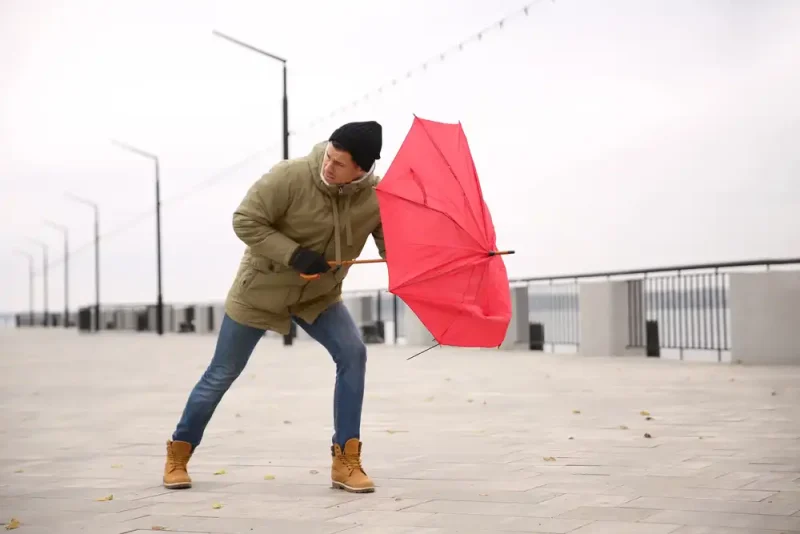
    man caught in wind

    🔎 Why Pre-Storm Roof Inspections Are Critical

    The best time to deal with roof issues is before a storm—not after. Getting a professional inspection during windstorm season gives you a chance to fix minor problems before they become emergencies. At Texas Coast Roofing, our inspections include:

    • Checking for loose, curling, or missing shingles
    • Inspecting flashing, vents, and chimney seals
    • Looking for signs of water intrusion or soft decking
    • Evaluating roof-to-wall connections
    • Ensuring gutters and downspouts are clear and properly attached

    These checks not only protect your home—they’re often required for windstorm insurance coverage.

    🧾 Windstorm Insurance and TDI Certification

    In most Texas coastal counties, you can’t get windstorm insurance through the Texas Windstorm Insurance Association (TWIA) unless your roof meets specific building codes. This includes proper materials, fastening systems, and structural attachments.

    Any roof repairs or replacements you do must be TDI-compliant and inspected by a certified engineer. Failing to meet these standards could mean no coverage if your roof is damaged in a storm. That’s why we always build to code and work closely with TDI inspectors to make sure everything passes the first time.

    🧰 Preventive Maintenance for Coastal Roofs

    Salt air, humidity, and heat are constant enemies of roofing systems along the coast—even outside of storm season. That’s why regular roof maintenance isn’t optional, it’s essential. We recommend:

    • A full inspection at least once a year, especially before hurricane season
    • Keeping gutters clean and clear of salt buildup and debris
    • Trimming nearby branches to avoid scraping or impact damage
    • Looking for rust or corrosion on metal flashing and fasteners
    • Watching for attic moisture or signs of leaks inside your home

    These small actions can add years to your roof’s life and help prevent large-scale storm damage.

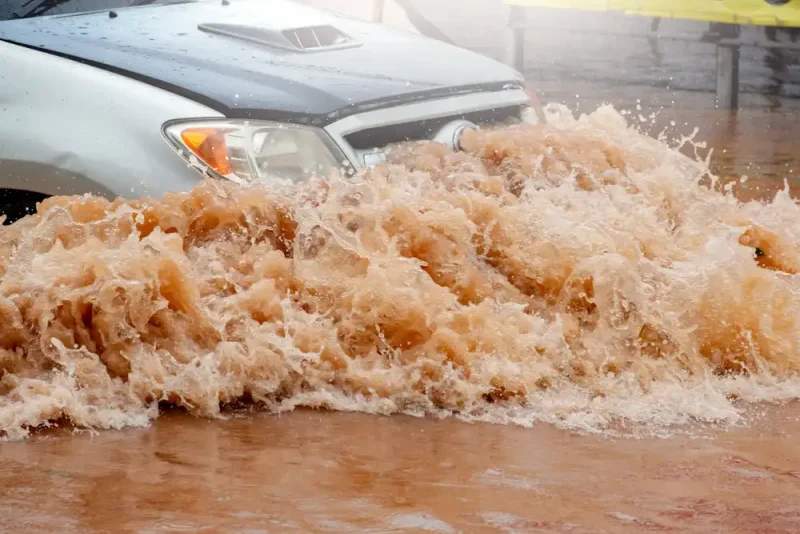
    hurricane flooding

    👷 Why Choose a Coastal Roofing Specialist

    Roofing near the ocean isn’t the same as roofing in Central Texas. You need a contractor who understands coastal wind ratings, insurance requirements, salt exposure, and hurricane risks. At Texas Coast Roofing, we don’t just install roofs—we build coastal defense systems that stand up to the elements and protect your investment year after year.

    We’ve helped hundreds of homeowners from Corpus Christi to Rockport upgrade their roofing systems to meet modern standards, and we take pride in doing the job right—every time.

    📞 Call Today For An Assessment

    It’s windstorm time of year—and your roof needs to be ready. Don’t wait for the next storm to find out your shingles are loose or your flashing has failed. A roof inspection today could save you from massive damage tomorrow. Whether you need minor repairs, full replacement, or just want peace of mind that your roof is up to the challenge, Texas Coast Roofing is here to help.


  8. What to Do Immediately When You Notice a Roof Leak

    A leaking roof is more than just an inconvenience—it can lead to serious structural damage, mold growth, and costly repairs if not addressed quickly. Along the Texas Coast, where weather conditions can shift rapidly and storms are common, acting fast is essential. Whether you live in Corpus Christi, or along the Gulf Coast, here’s exactly what to do the moment you notice a roof leak—plus tips for preventing future issues.

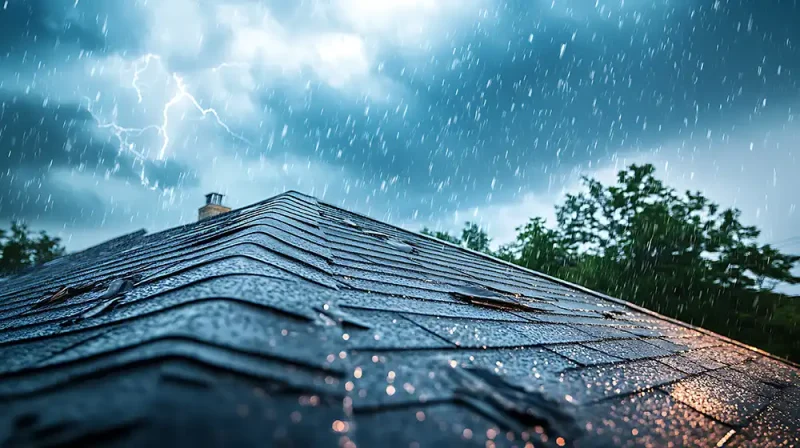
    storm on roof with leak

    Step 1: Stay Calm and Prioritize Safety

    First and foremost—don’t panic. While a leaking roof is serious, most damage can be minimized with a quick response. Your first priority should be safety, especially if water is near electrical fixtures, ceilings are sagging, or your roof is hard to access. Do not attempt to climb onto your roof during a storm or while it’s wet. Instead, focus on controlling the leak from inside your home.

    Step 2: Contain the Leak

    The next step is to minimize water damage inside your home. Place buckets or containers under the leak to catch water. Protect your belongings by moving furniture, electronics, and valuables away from the leak. If water is spreading across the ceiling, consider using plastic sheeting or a tarp to protect floors and furniture. If you notice bulging or sagging in your ceiling, poke a small hole in the lowest point to let the water drain in a controlled way—otherwise, it could burst and cause more damage.

    Step 3: Locate the Source (If You Can)

    Once the leak is under control, try to identify where it’s coming from. Leaks don’t always appear directly under the source—they can travel along rafters or drywall before dripping down. Common places roof leaks originate include chimneys, vents, skylights, flashing, roof valleys, damaged or missing shingles, and flat roof seams or low-slope areas. If it’s safe to access your attic, take a flashlight and carefully inspect for damp insulation, water stains, or moldy smells. Mark any visible damage so a professional can assess it later.

    leaking roof

    Step 4: Temporarily Patch the Leak (If It’s Safe)

    If you’re comfortable doing light repairs—and only if weather permits—you may consider a temporary patch to prevent further leaking. Temporary fixes include tarping the roof by covering the damaged area with a heavy-duty tarp, securing it with wood strips and nails or screws, or using roofing tape or waterproof sealant for small holes or cracks. These are not permanent solutions, but they can help limit damage until a licensed roofer arrives.

    Step 5: Document the Damage

    Before making repairs or cleanup, take clear photos of all damage—inside and out. This documentation will be helpful for insurance claims, contractor estimates, and warranty claims (if your roof is under warranty). Take pictures of any water-stained ceilings, ruined insulation, puddles, and visible roof damage. Save receipts for any emergency purchases like tarps, buckets, or dehumidifiers.

    Step 6: Call a Professional Roofing Contractor

    The Texas coast is known for intense storms and salty air—conditions that can rapidly degrade roofing materials. That’s why it’s crucial to contact a local, experienced roofing company like Texas Coast Roofing as soon as possible. We’ll assess the full extent of the damage, provide a free inspection, and offer honest recommendations for repair or replacement. Avoid fly-by-night contractors or storm chasers who show up after bad weather. Look for a licensed, insured roofer with strong local references and experience working with coastal homes.

    Step 7: Contact Your Insurance Company

    If the leak caused significant damage, it may be covered by your homeowner’s insurance—especially if it’s storm-related. Review your policy to understand what’s covered, call your insurance company to file a claim promptly, provide documentation including photos and receipts, and meet with the insurance adjuster when they inspect your home. Let your roofing contractor work directly with your adjuster if needed. At Texas Coast Roofing, we regularly assist homeowners with insurance claims and can guide you through the process.

    Step 8: Dry Out Your Home

    Once the leak is under control, take steps to dry out wet materials and prevent mold. Use fans and dehumidifiers to dry wet areas. Remove wet insulation, drywall, or carpeting if saturated. Keep the area ventilated. Mold can start growing within 24–48 hours, especially in our humid coastal climate—so time is of the essence.

    Bonus Tips: Preventing Future Roof Leaks

    Once the current issue is resolved, focus on long-term prevention. Schedule regular roof inspections at least once a year, especially after hurricane season or severe storms. Clean your gutters, as clogged gutters cause water to back up under shingles. Trim nearby trees—overhanging branches can damage shingles and trap moisture. Address minor repairs early; small cracks or loose shingles today can become major leaks tomorrow.

    Call Texas Coast Roofing Today For Pro Leak Resolution

    A roof leak can be overwhelming, but a fast, informed response can save you thousands of dollars in water damage and repairs. The key steps are: stay safe, contain the leak, identify the source, call a trusted roofing contractor, and document and report damage. If you’re dealing with a roof leak anywhere along the Texas Coast, don’t wait—contact Texas Coast Roofing today. We offer emergency repair services, free roof inspections, and decades of experience protecting homes just like yours. Need immediate help with a roof leak? Call Texas Coast Roofing at (361) 688-2183 or request a free inspection online.


  9. What Salt Air Really Does to Your Roofing System

    Living along the Texas Gulf Coast offers stunning views, a laid-back lifestyle, and year-round access to the water. But if you’re a homeowner in coastal communities like Corpus Christi, Rockport, or Port Aransas, you know that salt air is a double-edged sword. While it brings the feel of the coast right to your doorstep, it also poses a serious long-term threat to your roofing system.

    At Texas Coast Roofing, we’ve seen the effects of salt air up close. It doesn’t cause immediate destruction, but over time, it can accelerate the aging of your roof, compromise its protective features, and lead to costly damage if ignored. Let’s take a closer look at what salt air really does to your roofing system—and how you can defend your home against it.

    Texas Coastal Home

    How Salt Air Works Against Your Roof

    Salt in the coastal atmosphere comes from sea spray and evaporated ocean water. Carried inland by wind, these salt particles settle on everything—including your roof. You might not see it, but a thin layer of salty residue is likely sitting on your shingles or metal panels right now.

    Over time, this salt interacts with moisture in the air, especially in our humid South Texas climate. That mixture can create a corrosive environment that eats away at roofing materials, fasteners, flashing, and coatings, particularly if they’re not designed for coastal conditions.

    Effects on Asphalt Shingle Roofs

    Asphalt shingles are one of the most popular roofing materials in the country—and for good reason. They’re affordable, durable, and relatively easy to install. But coastal homeowners should be aware that not all asphalt shingles are created for salty, humid conditions.

    Here’s how salt air can affect asphalt shingles over time:

    • Granule Loss: Salt can degrade the outer granules that protect shingles from UV rays. Once those granules are gone, the asphalt underneath is exposed and begins to dry out and crack.
    • Premature Aging: Salt-laden moisture accelerates aging, making shingles brittle and more prone to breaking or blowing off in strong winds.
    • Algae Growth: Humid, salty environments are the perfect breeding ground for algae and mold, which can stain your roof and cause further decay if untreated.

    If your home is within 15–20 miles of the Gulf Coast, we strongly recommend using algae-resistant, wind-rated shingles designed specifically for coastal climates.

    Effects on Metal Roofs and Roof Components

    Metal roofs are a popular alternative in coastal areas because of their longevity and strength. But while metal roofs are more resistant to wind and heat, they’re not immune to salt corrosion—especially if the wrong materials are used.

    Salt air can cause:

    • Surface Corrosion: Galvanized steel or improperly coated metals will begin to show signs of rust, pitting, or surface flaking.
    • Fastener Degradation: The screws and clips used to attach metal panels are especially vulnerable. If they corrode, it can compromise the roof’s integrity and lead to leaks.
    • Flashing Failure: Aluminum or steel flashing that isn’t coastal-rated can break down faster than expected, creating entry points for water during storms.

    To combat these risks, Texas Coast Roofing only uses coastal-grade metals and corrosion-resistant fasteners for metal roof installations and repairs.

    The Hidden Danger: Underlayment and Decking

    Even if your shingles or panels appear intact, salt air can still create hidden issues beneath the surface. Once salt and moisture penetrate the roofing material, they can begin to affect the roof deck and underlayment, causing:

    • Rotting wood decking
    • Warped or swollen sheathing
    • Moisture-trapping underlayment that breeds mold

    These problems often go unnoticed until a leak forms, and by that point, the damage may be widespread. Regular inspections are key to catching these issues early.

    How to Protect Your Roof from Salt Air

    Fortunately, there are proactive steps you can take to extend the life of your roof in a salty environment:

    1. Choose Coastal-Rated Materials: From shingles to fasteners, insist on products rated for high-salt and high-humidity environments.
    2. Schedule Regular Roof Inspections: At least once a year (and after any major storm), have your roof professionally inspected to spot early signs of corrosion or damage.
    3. Rinse Off the Roof: Occasionally hosing down your roof with fresh water can help remove salt buildup—especially during dry spells.
    4. Maintain Gutters and Flashing: Clogged or corroded gutters can trap salty moisture against the roofline. Keep everything flowing and clear.
    5. Partner with a Coastal Roofing Expert: At Texas Coast Roofing, we specialize in roofing systems built for our environment. We know which materials last and which shortcuts to avoid.

    Get Coastal-Strong Roofing with Texas Coast Roofing

    Salt air is part of coastal living—but that doesn’t mean it has to destroy your roof. With the right materials, expert installation, and regular maintenance, your roofing system can thrive in the face of humidity, salt, and storms.

    At Texas Coast Roofing, we serve homeowners throughout Corpus Christi, Rockport, Port Aransas, Victoria, and other Gulf Coast communities. Whether you need an inspection, a few repairs, or a full roof replacement, we’ll help you build a system that stands up to everything the coast throws your way.

    Call today to schedule your free coastal roof inspection and take the first step toward better protection for your home.


  10. How to Tell If Your Roof Is Hurricane Ready

    Protecting Homes Along the Gulf Coast

    Living along the Texas Gulf Coast means enjoying warm breezes, coastal charm, and ocean views. But it also means preparing your home for hurricane season every year. In this region, your roof is your first line of defense against powerful storms, high winds, and heavy rain. The real question is: Is your roof hurricane ready?

    If your roofing system is compromised in any way, it can lead to water damage, costly repairs, and major safety risks during a storm. At Texas Coast Roofing, we want to help you spot the warning signs and take the right steps to protect your home before hurricane season strikes.

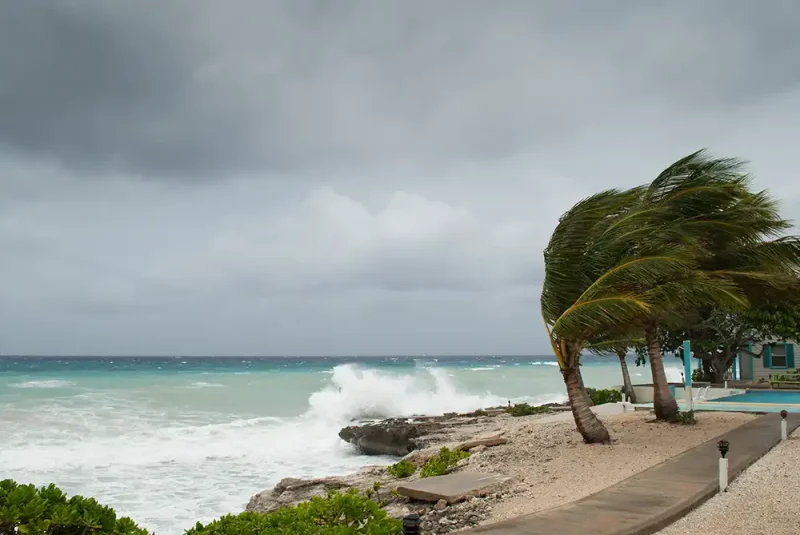
    beach hurricane

    Start with a Professional Roof Inspection

    The most effective way to know if your roof is ready for a hurricane is to schedule a professional inspection. At Texas Coast Roofing, we provide thorough roof assessments designed specifically for coastal homes. Our trained crews inspect every detail of your roof, from shingles and flashing to the underlayment and roof deck.

    We also check attic ventilation, moisture levels, and any signs of water intrusion or structural wear. If it’s been more than a year since your last inspection—or if you’ve recently weathered a storm—now is the time to get a full evaluation.

    Look for Signs of Shingle Damage

    Even minor damage to your roof’s surface can become a major problem during a storm. Strong winds target weak spots, and if shingles are already loose or brittle, they can tear off easily, exposing the roof deck to water.

    Watch for common red flags like missing or lifted shingles, curling edges, granule loss, and dark patches on the roof. If your shingles show signs of wear or damage, replacing them now can help you avoid more serious issues when winds pick up.

    Examine Flashing and Roof Penetrations

    Flashing protects vulnerable areas of your roof where leaks are most likely to occur—around chimneys, vents, valleys, and skylights. These areas need to be watertight and securely sealed to keep moisture out during driving rain.

    Signs of faulty flashing include rust, visible gaps, or cracked sealant. Coastal humidity and salt air can accelerate corrosion, so it’s important to have your flashing checked annually to make sure it’s storm-ready.

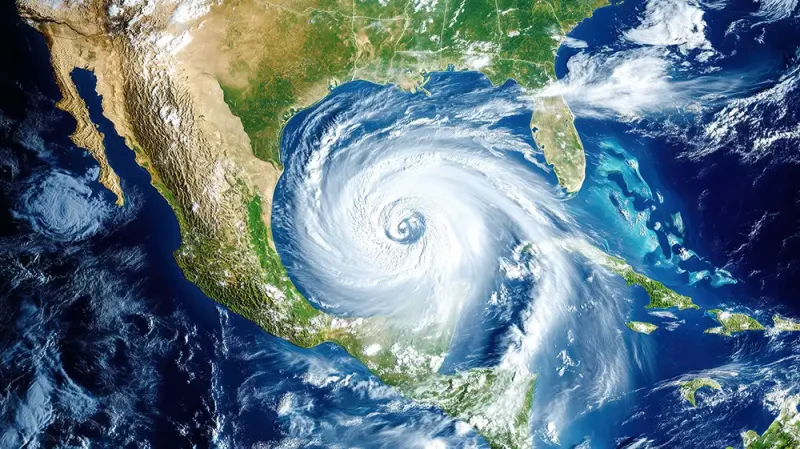
    hurricane gulf of Mexico

    Evaluate Your Roof’s Age and Materials

    Older roofs are more prone to storm damage, especially if they weren’t built to current codes or installed using outdated materials. If your roof is more than 15–20 years old, it may be reaching the end of its effective life.

    Different roofing materials also perform differently under pressure. At Texas Coast Roofing, we recommend using hurricane-rated shingles, clay or concrete tiles, or high-quality metal systems—all proven to perform well under coastal wind and moisture conditions. We can help you determine if your current roof meets modern standards or if it’s time for an upgrade.

    Check Roof Ventilation and Drainage

    Your roof must be able to manage both airflow and water effectively. Poor ventilation can cause heat and moisture to build up inside your attic, weakening the structure over time. And when heavy rain falls, blocked gutters or clogged valleys can lead to standing water and roof leaks.

    Inspect soffit vents, ridge vents, and attic fans to ensure airflow is clear and functional. Also check gutters and downspouts for debris or sagging sections. These small fixes can make a big difference in how your roof handles storm conditions.

    Understand Your Roofing Warranty and Insurance Coverage

    Even a well-built roof can sustain damage from a major hurricane, so it’s essential to understand your roofing warranty and homeowners insurance policy. Many warranties cover manufacturing defects but may not cover damage caused by severe weather unless the roof was installed according to local building codes and wind specifications.

    If your policy includes wind or hurricane protection, make sure you know what’s required in terms of documentation. Taking “before” photos of your roof and keeping inspection reports can speed up the claims process and increase your chance of full reimbursement if you ever need to file a claim.

    Be Proactive, Not Reactive

    Many homeowners wait until after a storm hits to assess their roof, but by then, the damage is done. A proactive approach can save you time, money, and stress. The best way to prepare your roof for hurricane season is to stay ahead of issues with regular inspections and preventive maintenance.

    If you’re unsure about your roof’s condition, reach out to the experts at Texas Coast Roofing. We’ll give you an honest assessment and recommend affordable steps to improve your home’s storm resilience—whether that means minor repairs or a full roof replacement using hurricane-rated materials.

    Schedule Your Hurricane Readiness Roof Inspection

    At Texas Coast Roofing, we specialize in helping coastal homeowners prepare for the unpredictable. We proudly serve Corpus Christi, Rockport, Victoria, Port Aransas, and nearby areas with roof inspections, repairs, and storm-resistant upgrades.

    Call us today to schedule your free roof inspection and make sure your home is hurricane ready—before the next storm arrives. Let us help you protect your roof, your home, and your peace of mind.


Call Now!

(361) 688-2183

Ready To Take Care Of You

info@texascoastroofing.com
Texas Coast Roofing
5926 S Staples St C1-C
Corpus Christi, TX 78413
Privacy Policy
© Texas Coast Roofing 2026