
bitcoin logo

Accepted

Get A Quote!

Call Now! (361) 688-2183

  1. Preparing Your Roof For Spring Storms

    As spring approaches in Texas, the beauty of blooming flowers and longer days comes with a catch—strong storms and heavy rains. Preparing your roof ahead of the season can mean the difference between peace of mind and costly repairs. At Texas Coast Roofing, we want to help homeowners get their roofs storm-ready and avoid the headaches that spring storms can bring.
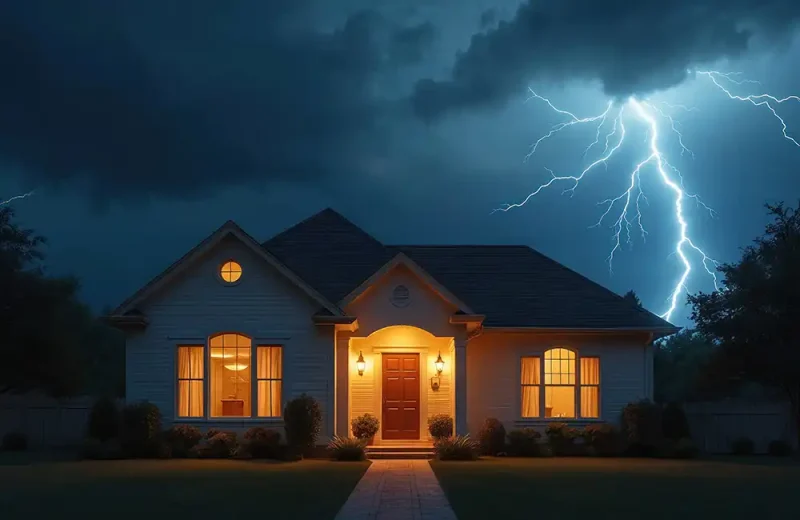
    spring storm over home

    Why Spring Storms Are a Big Deal for Your Roof

    Spring storms often bring high winds, torrential rain, and sometimes even hail. All of these can put tremendous stress on your roof. Even a small weakness in your roofing system can turn into a major leak when the skies open up. That’s why early preparation is critical—especially for homes along the Texas coast where weather conditions can be even more intense.

    Start with a Thorough Roof Inspection

    The first step to preparing your roof is getting a professional inspection. A trained eye can catch issues like missing shingles, damaged flashing, or clogged gutters—problems that might not be obvious to a homeowner. An inspection can also reveal underlying issues such as weakened decking or improper ventilation that could cause even more damage once the rain starts falling.

    If you prefer to take a look yourself first, safely check from the ground using binoculars. Look for shingles that appear loose, curled, or cracked, and pay attention to any visible sagging areas.

    Check and Clear Your Gutters

    Your gutters play a huge role in directing water away from your roof and home’s foundation. Clogged or damaged gutters can lead to water backing up onto your roof, causing leaks and rot. Before storm season hits, clear out any leaves, twigs, and debris from your gutters and downspouts. Make sure water flows freely and that your gutter system is securely attached to your home.

    Texas wild flowers spring

    Address Small Repairs Now

    Small roofing issues don’t stay small for long, especially when heavy rain and wind are involved. Loose shingles, damaged flashing around chimneys or vents, and minor leaks should be repaired before storms hit. Taking care of small repairs now will save you from much bigger problems—and bigger expenses—down the road.

    If you’ve noticed any interior signs of roof trouble, like stains on your ceilings or walls, it’s a good indication that your roof needs immediate attention.

    Trim Overhanging Branches

    Trees add beauty and shade to your yard, but overhanging branches can be dangerous during a storm. High winds can break off branches and send them crashing onto your roof, causing serious damage. Before the storms arrive, trim back any limbs that are hanging over your roof. Not only does this reduce the risk of impact damage, but it also keeps leaves and twigs out of your gutters.

    Strengthen Your Roof Where Needed

    Depending on the age and condition of your roof, it might be a good time to add extra protection. This could include installing hurricane straps, reinforcing flashing, or applying waterproof sealants. Coastal homes especially benefit from these added measures to stand up to high winds and driving rain.

    If your roof is nearing the end of its life or has had frequent repairs, consider a replacement with more storm-resistant materials like impact-rated shingles or metal roofing.

    Make Sure You’re Covered

    Before storm season, it’s wise to review your homeowners insurance policy and make sure you’re properly covered for roof damage. Take photos of your roof now to have “before” pictures just in case you need to file a claim later.

    Knowing what’s covered—and what isn’t—can help you act quickly if you do suffer damage during a spring storm.

    Trust the Professionals at Texas Coast Roofing

    Spring storms are unpredictable, but your roof’s performance doesn’t have to be. At Texas Coast Roofing, we specialize in roof inspections, repairs, maintenance, and full replacements for coastal homes. Our team understands the unique challenges Texas weather brings and is ready to help you prepare your home for the months ahead.

    A little preparation today can help you avoid major headaches tomorrow. If you’re ready to make sure your roof is ready to weather the storm, contact Texas Coast Roofing for an inspection or consultation. We’re here to keep your home—and your family—protected.
  2. How to Prevent Roof Damage in the Texas Heat

    The Texas sun is a force to be reckoned with. With blistering heat, intense UV rays, and long summers, the scorching temperatures can take a serious toll on your roof. As a homeowner, it’s crucial to understand how to protect your roof from the damage that can come with years of relentless sun exposure. At Texas Coast Roofing, we’ve put together some essential tips for maintaining the health and longevity of your roof, ensuring it stays strong and reliable through the hottest months.

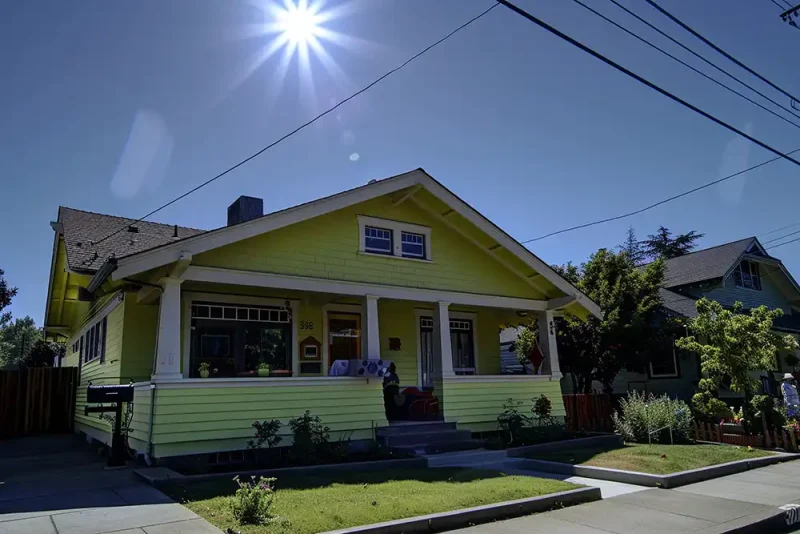
    hot sun over roof

    Regular Roof Inspections: The First Line of Defense

    One of the best ways to protect your roof from the Texas heat is to stay on top of regular inspections. Over time, constant exposure to the sun can cause roofing materials to deteriorate, leading to cracks, warping, and other forms of damage. Scheduling a professional roof inspection at least once a year helps identify early signs of wear before they become significant problems. If you’ve had severe weather or a particularly intense heatwave, it’s wise to schedule an additional inspection to ensure your roof has remained intact.

    A skilled roofing contractor can spot subtle issues such as worn shingles, cracked tiles, or areas that need sealing. Catching these problems early can save you from expensive repairs down the road and prevent small issues from turning into costly replacements.

    Proper Attic Ventilation to Keep Your Roof Cool

    The heat in Texas can make your attic unbearable, and when the attic becomes too hot, your roof can suffer. Without proper ventilation, the trapped heat can cause roofing materials to deteriorate faster, reducing the lifespan of your roof. Ensuring that your attic is adequately ventilated allows the hot air to escape and helps maintain a cooler temperature in the attic space.

    There are a variety of ways to improve attic ventilation. Consider adding vents along your eaves or installing a powered attic fan to actively circulate air and cool the space. Proper ventilation doesn’t just protect your roof; it also helps maintain energy efficiency by reducing the need for constant air conditioning inside your home.

    Trim Overhanging Branches for Added Protection

    Trees can be a beautiful addition to your property, but overhanging branches near your roof can be a serious hazard, especially during high winds or severe storms. In the scorching Texas heat, these branches can also create conditions conducive to mold, moss, or algae growth, which can weaken your roof. Regularly trimming trees and branches that are close to your roof not only keeps debris off your roof but also protects your shingles from being damaged by falling branches.

    Additionally, keeping branches trimmed away from your roof allows for better air circulation around your home, which can help reduce heat buildup on your roof during those long summer days.

    Opt for Heat-Resistant Roofing Materials

    When it comes to roofing in Texas, choosing the right materials can make a huge difference in how well your roof performs under the intense heat. Certain roofing materials are designed to reflect sunlight and reduce the absorption of heat, helping your roof stay cooler and more durable in the long run.

    • Metal Roofing: Known for its durability and reflective properties, metal roofing is an excellent choice for Texas homeowners. Metal roofs reflect the sun’s rays, reducing heat absorption and helping to keep your home cooler in the summer. Metal roofs are also resistant to cracking and fading, even in extreme temperatures.
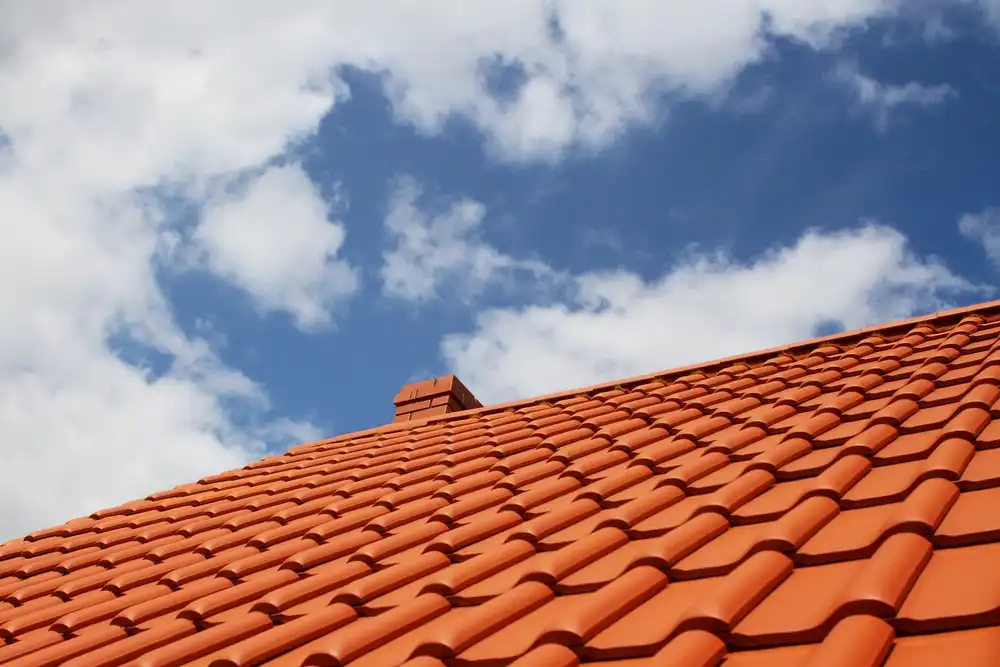
    • Clay and Concrete Tiles: Both clay and concrete tiles are well-suited for hot climates. These materials naturally resist heat absorption and provide excellent insulation, keeping your home cool and protected. Additionally, tile roofs can last for decades, making them a long-term investment for your home.
    • Cool Roofing Shingles: These are specially designed shingles with reflective coatings that prevent excessive heat buildup on your roof. They reflect more sunlight than traditional asphalt shingles, helping to reduce the temperature of your roof surface and improve energy efficiency.
    • Energy-Efficient Asphalt Shingles: Many newer asphalt shingles come with reflective granules designed to reflect sunlight and reduce heat absorption. While they aren’t as cool as metal or tile roofs, they still offer significant benefits compared to older or standard asphalt shingles.

    Keep Your Roof Clean and Clear of Debris

    Debris such as leaves, twigs, and dirt can easily collect on your roof during the summer, especially if you live in a tree-filled area. When debris piles up, it can trap moisture, create an environment for moss or algae growth, and ultimately cause the roof to wear down faster. Regular cleaning is essential to ensure that debris doesn’t cause long-term damage.

    Be sure to remove leaves and branches from your roof, especially after a storm or heavy winds. You should also clean your gutters regularly to ensure that water flows freely away from your roof. If you notice any algae or moss growing on your shingles, it’s a good idea to use a roof-safe cleaning solution to remove them before they have a chance to spread.

    Consider Reflective Coatings and Sealants

    For roofs that are aging or already showing signs of wear, applying a reflective coating or roof sealant is an excellent way to provide additional protection against the sun. Reflective coatings, typically used on flat roofs, work by deflecting harmful UV rays, keeping your roof cooler and reducing the risk of sun damage.

    Roof sealants offer another layer of protection. These products seal minor cracks, prevent leaks, and provide an extra barrier against the elements. A high-quality sealant can help extend the life of your roof by shielding it from the harsh Texas sun and rain.

    Address Roof Damage Promptly

    Even with the best preventative measures, roof damage can still occur, especially under the extreme Texas sun. Heat can cause shingles to lose their granules, crack, or warp, which increases the likelihood of leaks and further damage. If you notice any damage to your roof, it’s essential to address it as soon as possible. Small issues like cracked shingles or missing granules can escalate quickly, leading to bigger problems such as water infiltration, mold, or structural damage.

    If you spot any signs of damage, such as discoloration, curling shingles, or leaks, don’t wait—call a professional roofer to inspect and repair the damage before it worsens. By acting quickly, you can prevent further deterioration and protect your home.

    Call Texas Coast Roofing Today To Schedule An Inspection!

    Protecting your roof from the intense Texas heat doesn’t have to be complicated, but it does require proactive maintenance and smart choices. Regular inspections, proper ventilation, tree trimming, and the right roofing materials can help ensure that your roof stays strong and resilient against the punishing sun. If you’re considering upgrading your roof or need professional advice on how to protect it from the heat, Texas Coast Roofing is here to help. Contact us today to schedule an inspection or discuss your options for long-lasting, heat-resistant roofing solutions.


  3. Roof Repair vs. Roof Replacement: Which One Do You Need?

    Your roof is one of the most important components of your home, protecting you and your belongings from the elements. Over time, wear and tear can take a toll, leading to leaks, missing shingles, and other signs of damage. When roofing issues arise, homeowners often face a crucial decision: should you repair your roof or replace it entirely? Making the right choice can save you time, money, and stress. At Texas Coast Roofing, we’re here to help you evaluate your options.

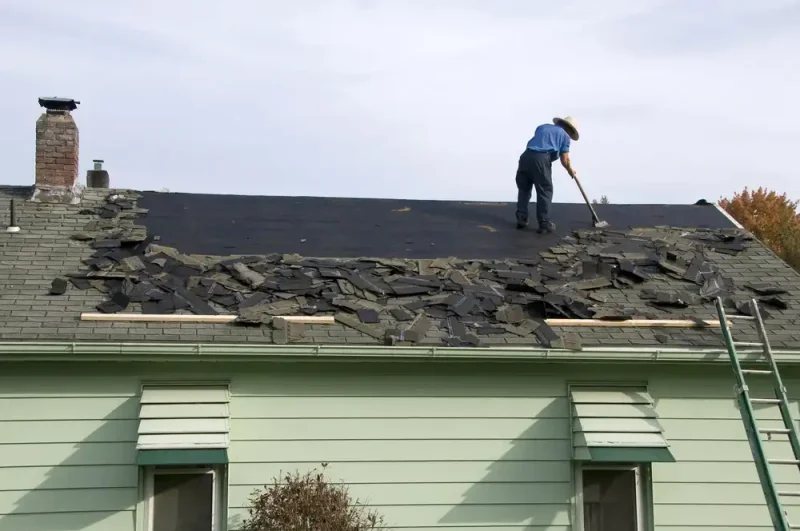
    shingle removal

    When Roof Repair Is the Right Choice

    In many cases, a roof repair can be enough to resolve minor issues and extend the life of your roof. Here are some scenarios where a repair may be sufficient:

    Minor Damage to Shingles

    If you notice a few missing, curled, or cracked shingles, a simple repair may be all that’s needed. Replacing damaged shingles can prevent leaks and further deterioration, keeping your roof in good condition.

    Leaks in Specific Areas

    A small leak doesn’t always mean you need a new roof. If the issue is localized—such as a leak around a vent, chimney, or flashing—targeted repairs can fix the problem without requiring a full replacement.

    Damage from Storms or Falling Debris

    Texas coastal weather can bring high winds and heavy rain, sometimes leading to minor damage from falling branches or hail. If the damage is confined to one area, a repair may be the best option.

    Your Roof Is Relatively New

    If your roof is less than 10-15 years old and has been well-maintained, repairs are usually the most cost-effective choice. Newer roofs are built to withstand normal wear and tear, and minor repairs can help extend their lifespan.

    You Have a Tight Budget

    If a full roof replacement isn’t financially feasible at the moment, a repair can buy you some time. Temporary fixes can address immediate concerns while you plan and budget for a long-term solution.

    When Roof Replacement Is the Better Option

    While repairs can be a great solution for minor damage, there are situations where a full roof replacement is necessary to ensure the safety and integrity of your home.

    Extensive or Widespread Damage

    If your roof has sustained major damage across multiple areas, a repair may not be enough. Widespread missing shingles, sagging, or structural issues often indicate the need for a replacement.

    Your Roof Is Nearing the End of Its Lifespan

    Most asphalt shingle roofs last between 20-30 years, while metal and tile roofs can last even longer. If your roof is reaching its expected lifespan and showing signs of wear, investing in a replacement may be the best decision.

    Frequent Repairs Are Adding Up

    If you find yourself calling for roof repairs every few months, the costs can quickly add up. In many cases, replacing the roof entirely can be more cost-effective in the long run compared to repeatedly patching issues.

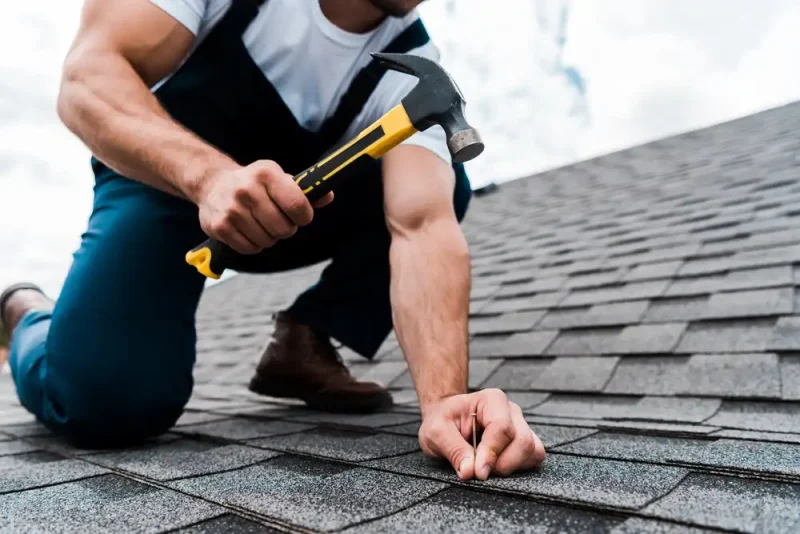
    roof repair or replace

    Structural Issues or Rotting Roof Decking

    A roof isn’t just about shingles—it’s also about the structure beneath. If your roof deck is rotting, sagging, or compromised, a full replacement is essential to ensure safety and stability.

    You’re Planning to Sell Your Home

    A new roof can significantly boost your home’s resale value and curb appeal. If you’re planning to sell in the near future and your roof is in poor condition, replacing it can attract buyers and provide a good return on investment.

    Key Factors to Consider When Making Your Decision

    Before choosing between repair and replacement, consider the following factors:

    • Cost: Repairs are usually less expensive upfront, but frequent fixes can add up. A replacement is a bigger investment but offers long-term savings.
    • Age of the Roof: If your roof is approaching the end of its lifespan, replacement is often the better choice.
    • Extent of Damage: Minor issues can be repaired, while widespread or structural damage typically calls for a full replacement.
    • Future Plans: If you plan to stay in your home for many years, investing in a new roof can provide peace of mind and long-term protection.

    Trust Texas Coast Roofing for Expert Guidance

    At Texas Coast Roofing, we understand that deciding between roof repair and replacement can be overwhelming. Our experienced team is here to provide expert assessments and honest recommendations tailored to your needs. Whether you need a small fix or a full roof overhaul, we’re committed to delivering high-quality workmanship and exceptional service.

    Don’t wait until a small issue turns into a major problem—contact us today for a free roof inspection and let us help you make the best decision for your home.


  4. The High Cost of Ignoring Roof Repairs: Essential Insights

    Your roof is a crucial part of your home, shielding you from the elements and ensuring the structural stability of the entire property. Despite its importance, roof maintenance often takes a backseat until a significant problem arises. Overlooking necessary repairs might seem like a way to save time and money initially, but the long-term consequences can be severe and costly. Understanding the risks of ignoring roof repairs is essential to protecting your home and avoiding unnecessary expenses. Here’s what you need to know about the potential costs of deferred roof maintenance.

    water leak damage

    Small Problems Become Big Issues

    Minor roof issues such as a small leak or a few missing shingles may appear inconsequential at first. However, these seemingly minor problems can escalate into significant damage if left unattended. What might start as a simple fix can grow into a complex and expensive repair job. A minor leak, for example, can expand over time, compromising the structural integrity of your roof and leading to widespread water damage. The earlier you address these issues, the less expensive and complicated the repairs will be.

    Water Damage Risks

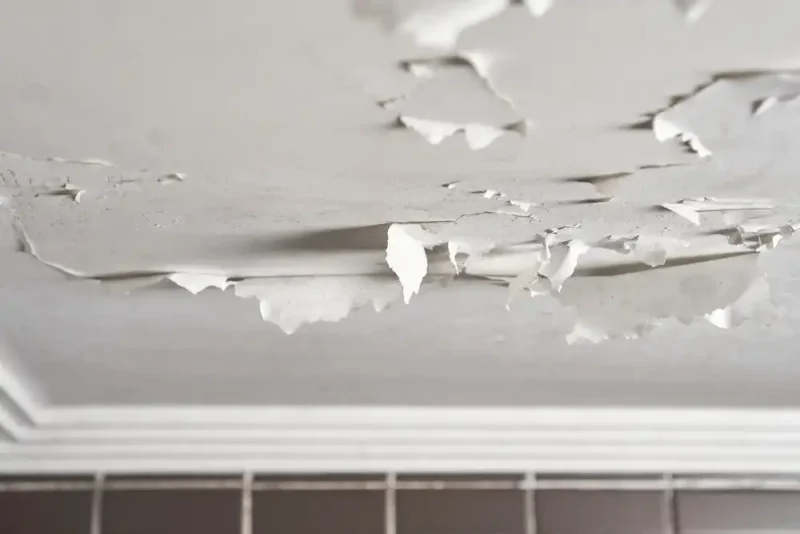
    Water infiltration is one of the most common consequences of a damaged roof. Once water seeps into your home, it can cause extensive damage to walls, ceilings, insulation, and even your electrical system. Over time, this can lead to mold growth, which is not only expensive to remediate but also poses serious health risks. Mold thrives in moist environments and can spread rapidly, affecting indoor air quality and leading to respiratory issues for your family.

    By repairing roof leaks promptly, you can prevent water damage and the associated costs of mold removal and health-related concerns.

    Increased Energy Bills

    A roof in poor condition can significantly impact your home’s energy efficiency. Gaps, cracks, or damaged areas in the roof allow heat to escape during the winter and cool air to leak out during the summer, forcing your heating and cooling systems to work overtime. This increased energy usage results in higher utility bills.

    Investing in timely roof repairs ensures your home remains energy-efficient, reducing your energy consumption and saving you money in the long run. An intact and well-maintained roof plays a key role in keeping your home comfortable year-round without the added expense of inflated energy bills.

    Diminished Property Value

    A well-maintained roof is a major selling point for any home. Potential buyers are likely to view a home with a damaged roof as a liability, leading to reduced offers or the need for price negotiations. Even if you’re not planning to sell your home immediately, maintaining your roof protects its market value.

    Homes with evident roof issues often take longer to sell and may require costly pre-sale repairs to attract buyers. Regular maintenance and prompt repairs keep your roof in top shape, preserving your home’s value and market appeal.

    water damaged ceiling

    Structural Compromise

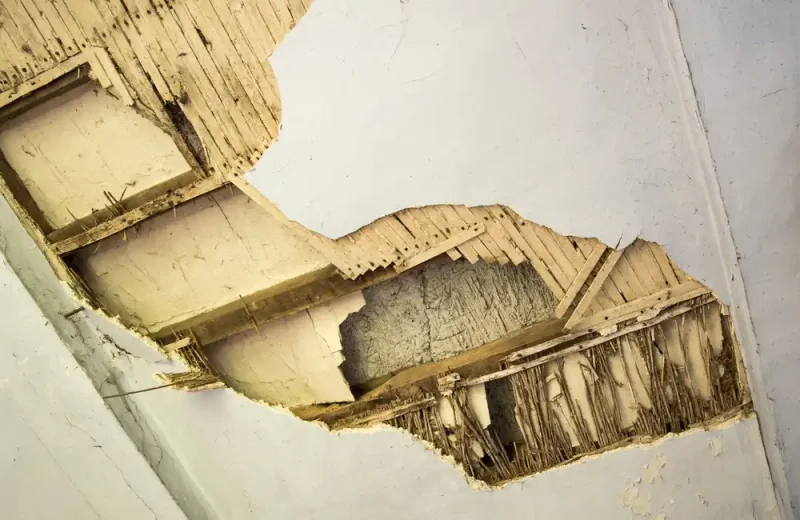
    Your roof supports and protects the entire structure of your home. Ignoring roof repairs can lead to structural damage, as water infiltration weakens beams, rafters, and other structural components. Over time, this can cause parts of the roof to sag or collapse, resulting in extensive and expensive repairs.

    In some cases, structural damage may also require emergency repairs to ensure the safety of your home’s occupants. Preventative maintenance and addressing minor issues early can save you from dealing with significant structural problems down the line.

    Safety Concerns

    A compromised roof is a safety hazard for everyone in the home. Loose or missing shingles can become dangerous projectiles in strong winds, and water leaks can lead to ceiling collapses or create slippery surfaces. Additionally, water exposure to electrical systems can increase the risk of fire or electrocution.

    Ensuring your roof is in good condition minimizes these safety risks, providing a secure environment for your family.

    Insurance Complications

    Most homeowners insurance policies cover damage caused by sudden, unexpected events like storms. However, many policies exclude coverage for damage resulting from neglect or lack of maintenance. If you fail to address roof repairs and subsequent damage occurs, your insurance provider may deny your claim, leaving you responsible for the full cost of repairs or replacement.

    Regular roof inspections and maintenance demonstrate proactive homeownership, which can make it easier to secure coverage when unforeseen events cause damage.

    Call Today For A Quote

    Ignoring roof repairs might seem like a minor oversight, but it can lead to significant and costly consequences. From water damage and mold growth to increased energy bills and diminished property value, the risks of deferred roof maintenance are substantial. Addressing issues promptly ensures your home remains safe, efficient, and valuable. Regular inspections and timely repairs can save you money and prevent the stress of dealing with larger problems down the road. Take the time to care for your roof—your home’s first line of defense against the elements—and enjoy the peace of mind that comes with a well-maintained and secure living space.


  5. Recognizing the Need for a New Roof

    Your roof is one of the most critical components of your home, protecting you from the elements and contributing to your property’s structural integrity. Over time, however, even the most well-maintained roofs will show signs of wear and tear. Knowing when to replace your roof is key to preventing costly damage and maintaining your home’s value. Learn the signs your roof needs replacement, the lifespan of different roofing materials, the differences between reroofs and new roofs, and common issues like decking repairs that may arise during the process.

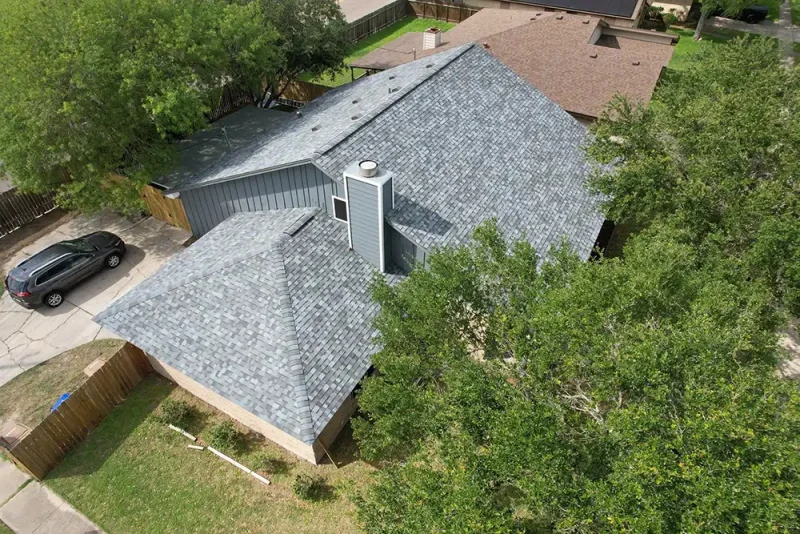
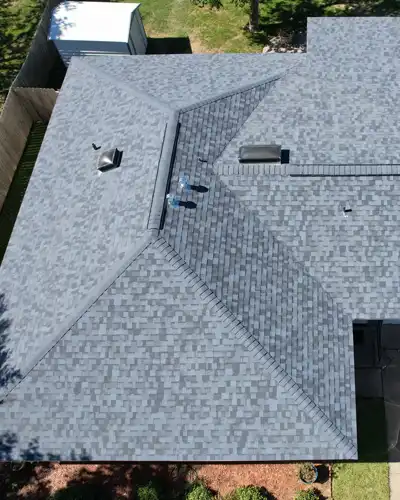
    New Grey Roof
    New Grey Roof

    Signs Your Roof Needs to Be Replaced

    Recognizing the warning signs of a failing roof can save you time, money, and stress. Here are some of the most common indicators:

    • Age of the Roof: Roofing materials have a finite lifespan. For example, asphalt shingles typically last 20–30 years, while metal roofs can last 40–70 years. If your roof is approaching or has exceeded its expected lifespan, it’s time to start planning for a replacement.
    • Leaks and Water Damage: Water stains on ceilings, walls, or in the attic often point to roof leaks. If leaks are frequent or widespread, replacing the roof might be the best option.
    • Missing or Damaged Shingles: Missing, cracked, or curling shingles can no longer protect your home effectively. Large patches of damage often signal the need for a full replacement.
    • Granule Loss: If you notice an accumulation of shingle granules in your gutters or downspouts, it may indicate that your roof is deteriorating.
    • Sagging Roofline: A sagging or uneven roofline can indicate structural issues with the roof’s decking or supports. This is a serious problem that requires immediate attention.
    • Moss or Algae Growth: While moss and algae are more aesthetic concerns, their presence can indicate trapped moisture, which may lead to more significant problems over time.

    Understanding Roofing Lifespans

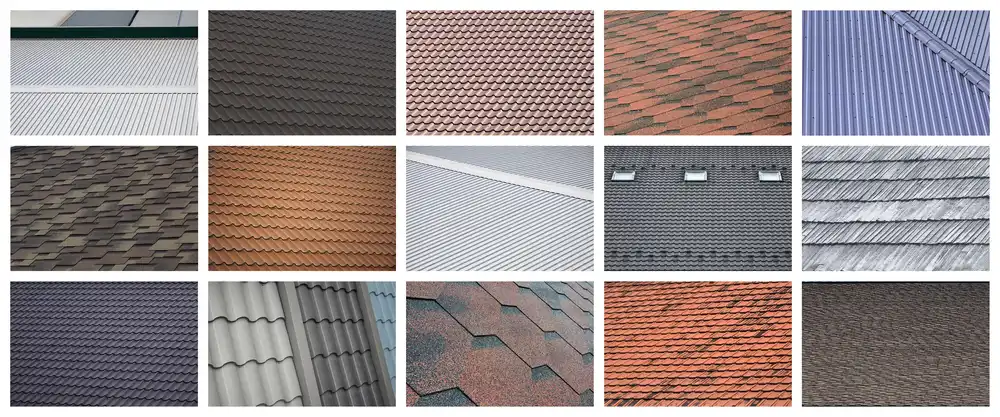
    The type of material used in your roof significantly affects its lifespan. Here’s a breakdown of the most common roofing materials and their average longevity:

    • Asphalt Shingles: The most popular roofing material, asphalt shingles generally last 20–30 years, depending on quality and installation.
    • Metal Roofing: Known for its durability, metal roofing can last 40–70 years, making it an excellent long-term investment.
    • Tile Roofing: Tile roofs, including clay and concrete tiles, can last 50 years or more. These roofs are ideal for areas with extreme weather conditions.
    • Slate Roofing: Natural slate is one of the longest-lasting materials, with a lifespan of 75–100 years or more.

    Knowing the age of your roof and the expected lifespan of its material can help you determine when replacement is necessary.

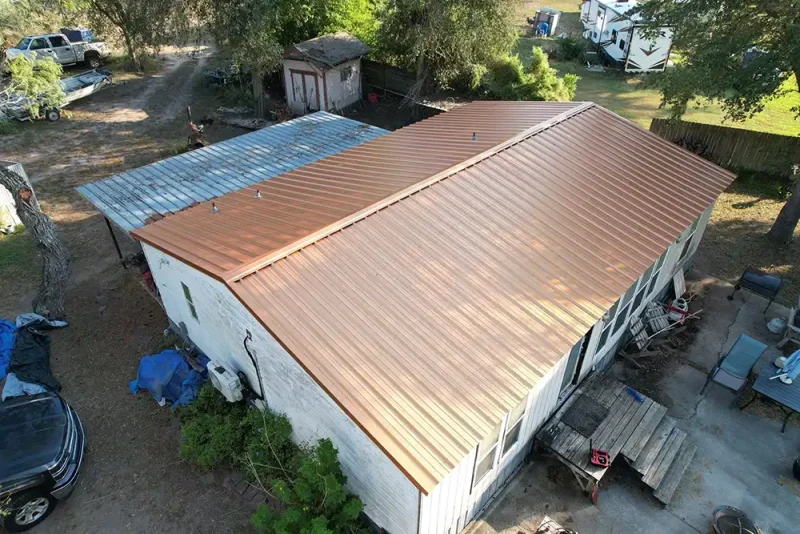
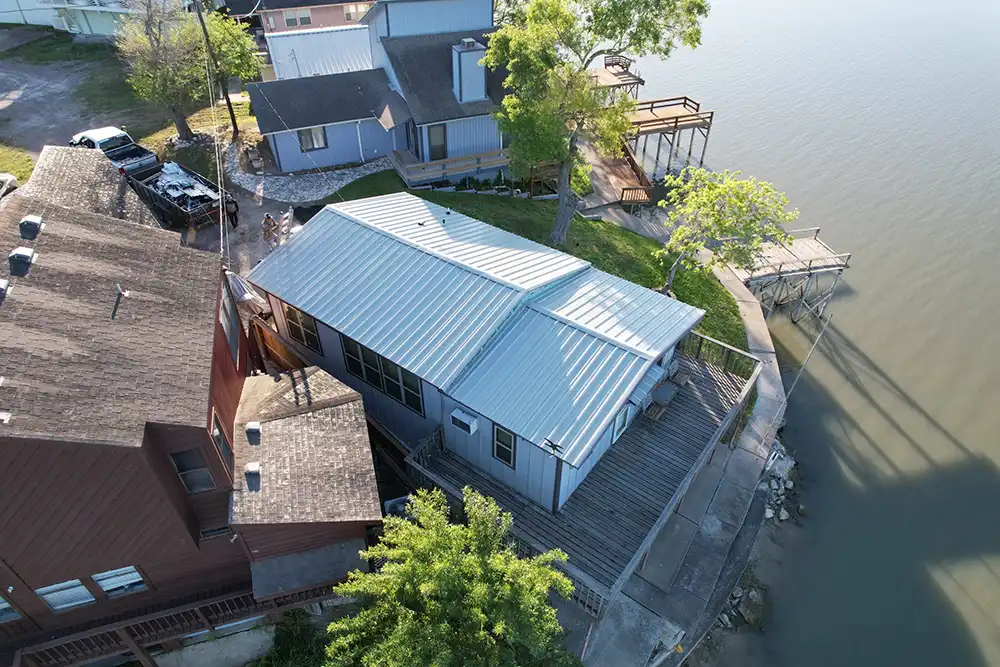
    Complete New Metal Roof
    Complete New Metal Roof

    Reroofs vs. New Roofs: What’s the Difference?

    When replacing a roof, you’ll encounter two main options: reroofing and installing a completely new roof.

    • Reroofing: Reroofing involves adding a new layer of shingles over the existing roof. This option is typically less expensive and quicker than a full replacement. However, it’s only viable if your roof has one layer of shingles and no underlying structural issues.
    • New Roof Installation: A new roof installation involves removing the existing roof, inspecting the decking, and installing a completely new roofing system. While this option is more expensive and labor-intensive, it ensures your roof is structurally sound and built to last.

    Choosing between reroofing and a new roof depends on the condition of your existing roof and your long-term goals.

    The Importance of Roof Decking Repairs

    During a roof replacement, your contractor will inspect the roof decking—the layer of wood that supports your shingles. Decking issues can compromise the entire roof structure, making repairs or replacements essential.

    • Signs of Damaged Decking: Indicators include soft or spongy spots on the roof, visible rot, or areas where nails no longer hold securely.
    • Repairing or Replacing Decking: If damage is extensive, the decking may need to be replaced entirely. This adds to the cost of the project but ensures the roof’s longevity and performance.
    • Preventing Future Problems: Proper installation and using quality materials can prevent decking issues in the future. Ensuring your roof is well-ventilated can also reduce moisture buildup that leads to rot.

    Why Timely Roof Replacement Matters

    Replacing your roof at the right time can save you from more extensive and costly repairs down the line. Here’s why acting promptly is important:

    • Preventing Structural Damage: A failing roof can lead to leaks, which may cause structural damage to your home.
    • Improving Energy Efficiency: Old or damaged roofs can let air escape, increasing your energy bills. A new roof with proper insulation can make your home more energy-efficient.
    • Enhancing Curb Appeal: A new roof boosts your home’s appearance, which is especially important if you’re planning to sell.

    Choosing the Right Roofing Material

    When replacing your roof, selecting the right material is crucial. Consider factors like:

    • Durability: How long do you want the roof to last?
    • Weather Resistance: Does the material withstand the local climate?
    • Aesthetics: Does the material match your home’s architectural style?
    • Cost: What is your budget for the project?

    Your roofing contractor can help you weigh these factors and choose the best material for your needs.

    Why Work with Professional Roofers

    Replacing a roof is a significant investment that requires expertise. Here’s why hiring professionals is essential:

    • Experience and Knowledge: Professional roofers understand the nuances of roofing materials, installation techniques, and local building codes.
    • Safety: Roofing work is dangerous, and professionals have the equipment and training to perform the job safely.
    • Warranty Protection: Many roofing manufacturers offer warranties that are only valid if installed by certified contractors.

    Get Expert Roofing Services from Texas Coast Roofing

    At Texas Coast Roofing, we’re committed to providing high-quality roofing services that protect your home and enhance its value. Whether you need a new roof, reroofing, or help with decking repairs, our experienced team is here to guide you through the process.

    Contact us today to schedule a roof inspection or discuss your roofing needs. Let us help you protect your home with a roof that’s built to last.


  6. Windstorm: When, Where, Why, How, & What?

    Living along the Texas Gulf Coast means being prepared for windstorms, especially during hurricane season. These intense weather events bring high winds and heavy rain that can devastate homes and communities. Understanding when they happen, where they cause the most damage, why they occur, how they affect your roof, and what you can do to protect your property is essential for coastal homeowners.

    Palm Tree in Windstorm

    When Do Windstorms Happen Along the Texas Coast?

    Hurricane season, which lasts from June through November, is the most active time for windstorms along the Texas coast. During late summer and early fall, hurricanes and tropical storms become more frequent as warm waters in the Gulf of Mexico fuel their development. August and September are often the most active months, but storms can strike at any time during the season.

    Even when hurricanes don’t make direct landfall, smaller tropical systems or sudden squalls can bring damaging wind gusts. These windstorms can intensify rapidly, making it critical to stay alert throughout the season.

    Where Do Windstorms Hit the Hardest?

    Coastal areas of Texas, such as Corpus Christi, Rockport, Port Aransas, and Galveston, are particularly vulnerable to windstorms. These regions are directly exposed to the open waters of the Gulf, where winds can build speed and intensity before reaching land.

    Inland areas, while somewhat shielded, are not immune to damage. As storms move inland, they lose strength but can still produce strong winds and flying debris that impact homes and infrastructure in areas like Calallen, Kingsville, and Victoria.

    Why Do Windstorms Happen During Hurricane Season?

    Windstorms during hurricane season are caused by a combination of warm ocean waters, atmospheric pressure differences, and humid conditions. The Gulf of Mexico’s warm water acts as fuel for tropical systems, helping them grow and intensify.

    As these systems develop, the pressure differences within them create powerful winds. The larger the difference between high and low pressure, the stronger the winds become. The high moisture levels along the Gulf Coast further contribute to storm formation, making this area a hotspot for severe weather.

    hurricane approaching Texas

    How Do Windstorms Affect Your Roof and Home?

    Windstorms pose significant risks to roofs, often causing some of the most visible and costly damage to homes. High winds can lift and tear away shingles, leaving the roof deck exposed and vulnerable to water damage. Flashing, which seals areas like chimneys and vents, can become dislodged, allowing moisture to seep in.

    In severe cases, entire sections of roofing materials can be peeled away, exposing the structural decking beneath. Flying debris, such as branches or loose objects, can puncture or crack roofing materials, adding to the destruction. Gutter systems and soffits are also at risk, as high winds often rip them away, leaving the edges of roofs exposed.

    What Can You Do to Protect Your Home During Hurricane Season?

    Preparation is key to minimizing the damage windstorms can cause. Ensuring your roof is in top condition before hurricane season begins is an essential first step. A professional roof inspection can identify weak points, such as loose shingles or damaged flashing, that could fail under high winds.

    Upgrading to impact-resistant roofing materials, such as metal or Class 4 shingles, can provide added protection. These materials are designed to withstand the force of hurricane winds and flying debris, making them a smart investment for coastal homeowners.

    Clearing your property of potential hazards, such as overhanging branches or unsecured outdoor furniture, can prevent flying debris from causing additional damage. Windows and doors should also be reinforced with storm shutters or impact-resistant glass. Garage doors are another critical point of vulnerability, so bracing them is essential.

    Having the right insurance coverage is just as important as physical preparations. Windstorm damage is not always covered by standard homeowners’ insurance policies in Texas, so securing a separate windstorm insurance policy is vital for coastal residents.

    The Importance of Windstorm Inspections

    Meeting Texas windstorm building codes is essential for homeowners in designated coastal counties. Homes that don’t meet these standards may not qualify for windstorm insurance coverage, leaving them vulnerable to costly repairs after a storm.

    A windstorm inspection ensures that your home complies with these codes and is ready to handle the intense winds of hurricane season. Texas Coast Roofing specializes in windstorm-compliant roof installations and repairs, helping homeowners stay protected while meeting insurance requirements.

    Why Choose Texas Coast Roofing?

    With years of experience serving Gulf Coast communities, Texas Coast Roofing understands the unique challenges that windstorms and hurricanes pose to local homes. Our team provides expert inspections, windstorm-compliant repairs, and durable roofing materials designed for coastal weather conditions.

    Whether you need to upgrade your roof to meet windstorm codes or repair damage after a storm, Texas Coast Roofing is here to help. We offer solutions tailored to the needs of coastal homeowners, from impact-resistant roofing materials to emergency repair services.

    Be Prepared This Hurricane Season

    Windstorms are an unavoidable part of life along the Texas Gulf Coast, but proactive measures can make all the difference. By preparing your roof and working with a trusted professional like Texas Coast Roofing, you can protect your home and family from the dangers of hurricane season.

    Don’t wait until the next storm hits. Contact Texas Coast Roofing today for a windstorm inspection or to learn more about our hurricane-season services. Together, we’ll ensure your home is ready to weather any storm.


Call Now!

(361) 688-2183

Ready To Take Care Of You

info@texascoastroofing.com
Texas Coast Roofing
5926 S Staples St C1-C
Corpus Christi, TX 78413
Privacy Policy
© Texas Coast Roofing 2026